Freedom from glasses starts here.
Hyperopia, also called long sightedness, is a refractive error where near vision is often blurry (and sometimes distance vision too). It happens because the eye focuses light behind the retina instead of directly on it. Hyperopia can be present from childhood, but it often becomes much more noticeable with age, especially once presbyopia starts to reduce your natural near focusing ability
Hyperopia affects how clearly you see at near, and how hard your eyes have to work to keep things clear. Some people with mild hyperopia can “push through” for years, while others notice symptoms much earlier.
Near blur is common, especially for reading and screen use. In higher prescriptions, or when your eyes are fatigued, distance vision can also become less sharp. Many people describe it as vision that is “fine in the morning” but harder later in the day, particularly after long periods of close work.
Hyperopia usually occurs when the eye is shorter than average, or the cornea is flatter. This shifts the focusing point behind the retina, which means the eye has to work harder to bring near objects into focus.
Hyperopia typically affects near vision first, while myopia mainly affects distance vision. Astigmatism can blur or distort vision at distance and near because light does not focus evenly. If you want a clearer comparison, our astigmatism page explains how uneven curvature can cause ghosting, shadowing, and night glare.
Symptoms vary a lot because your eyes can sometimes compensate by focusing harder. That extra effort is also why hyperopia can cause discomfort, not just blur.
This can show up as difficulty reading small print, needing to hold things further away, or struggling with close detail work. With higher hyperopia, you may also notice blurred distance vision, particularly when tired.
Hyperopia often makes your eyes work overtime, especially during reading or long screen sessions. That can lead to headaches, a heavy feeling around the eyes, or fatigue that builds across the day.
Vision can fluctuate depending on the task and how tired your focusing system is. Squinting may temporarily sharpen clarity, but it usually signals your eyes are compensating more than they should.
Hyperopia is often talked about by level (mild to high), but age and focusing ability also make a big difference to how it feels day to day.
Mild hyperopia may be manageable with minimal correction or part time glasses, depending on symptoms. Moderate to high hyperopia more often needs consistent correction for comfort and clarity, and it can affect distance vision as well.
Latent hyperopia is hyperopia that is partly “hidden” because the eyes are able to focus strongly, especially in younger people. Symptoms can still be present even if distance vision looks good on a basic test, which is why additional testing is sometimes helpful.
Once presbyopia begins (often in the early to mid 40s), near vision can drop noticeably because the eye has less ability to compensate. Many people find this is when their long sightedness suddenly feels more obvious, and reading becomes harder without the right correction.

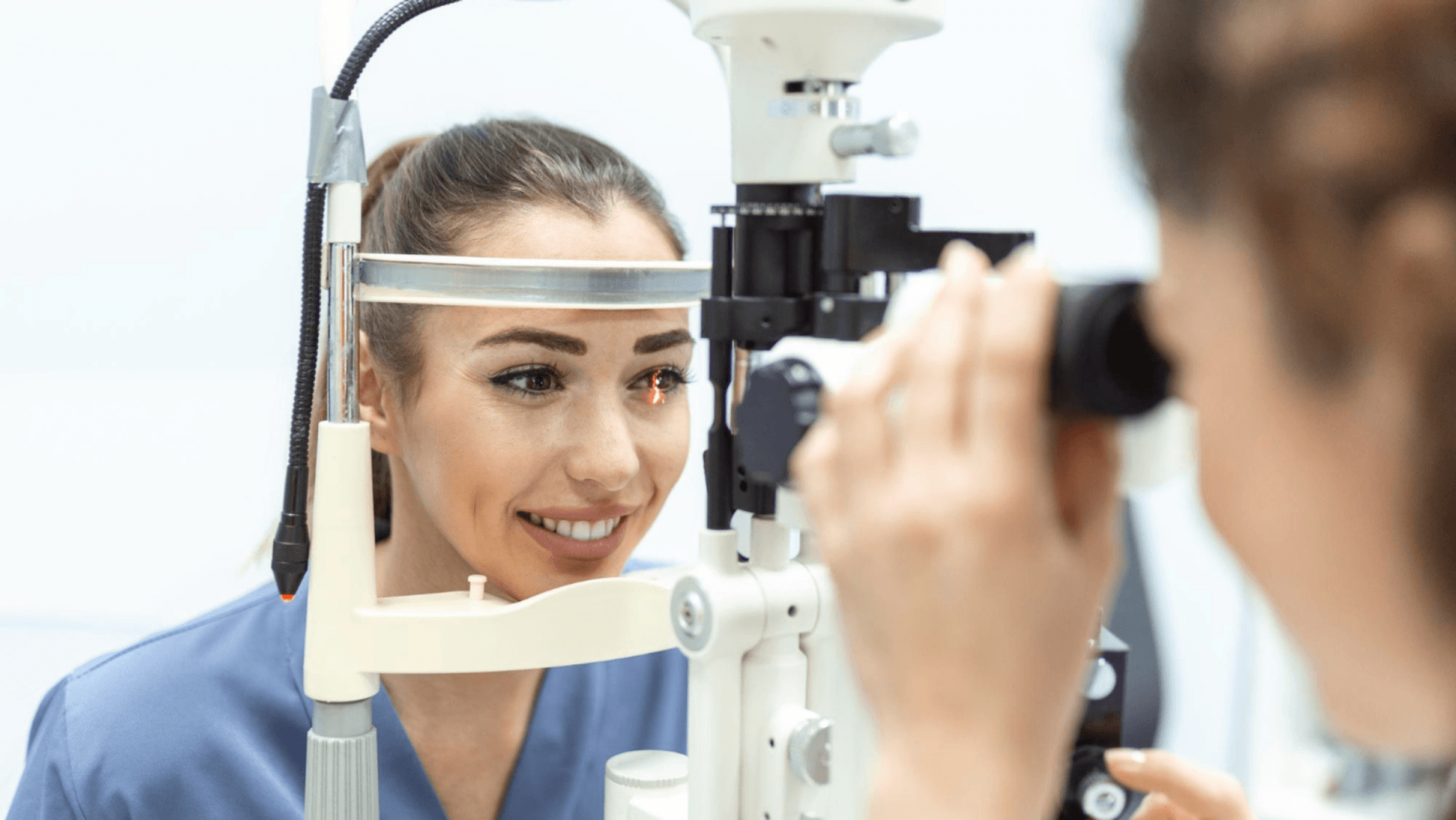
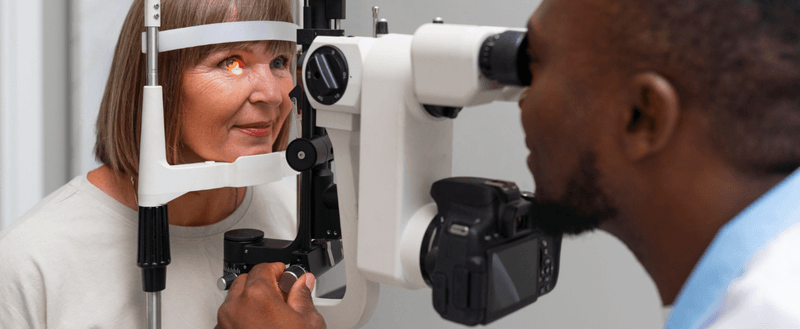
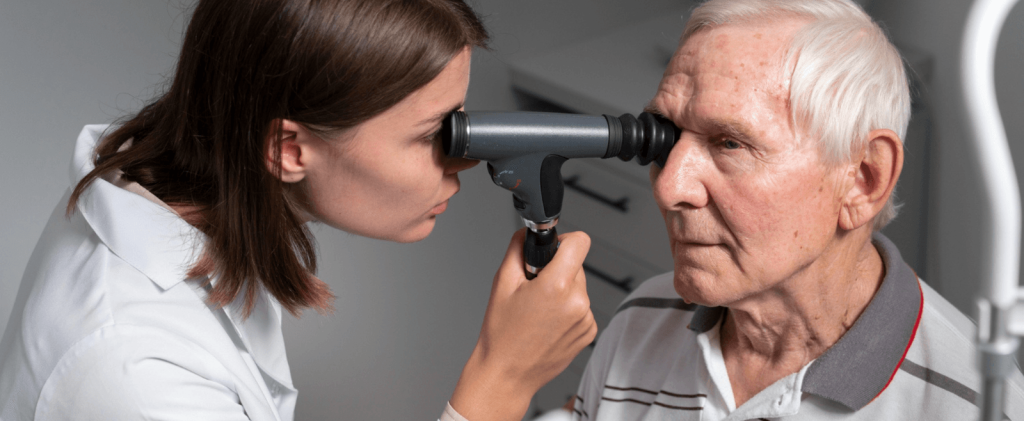
A proper diagnosis looks at your prescription and how your focusing system is coping, along with a full eye health check to rule out other causes of blur.
Refraction measures your prescription and checks how clearly you can see with different lenses. It also helps identify whether astigmatism or other refractive factors are contributing to blur.
In some cases, eye drops are used to relax the focusing system so hidden hyperopia can be measured more accurately. This is commonly used in children, and it can also be useful in adults when symptoms do not match the prescription found on a standard test.
It is important to check for other issues that can contribute to blur or discomfort, like dry eye or early cataract changes. If cataracts are a factor, our cataracts page explains common symptoms like glare and haze and what treatment typically involves.
The right option depends on your prescription, symptoms, age, eye health, and what you want your vision to do day to day.
Glasses are the most straightforward correction and are often the easiest option for mild to moderate hyperopia. They can reduce the focusing strain that drives headaches and fatigue, not just improve clarity.
Soft contact lenses can correct hyperopia and are a popular choice for sport and convenience. If astigmatism is also present, toric contact lenses may be needed for stable clarity.
Laser correction can be an option for some people, but suitability is strongly dependent on anatomy and prescription. If you are exploring this pathway, start with our main laser eye surgery page, which covers how suitability is assessed and what the common laser options are.
In some cases, alternative surgical options may be discussed if laser correction is not suitable. If an implantable lens is relevant to your situation, our implantable collamer lens page explains how this approach works and who it may suit.
For people where presbyopia is a major factor, or where a lens based approach better matches long term goals, refractive lens exchange may be discussed. This is a suitability based option and is planned around your vision priorities and eye health. You can read more on our refractive lens exchange page.
Hyperopia is not just about blurry vision. It can also drive physical symptoms because of the effort your eyes use to focus.
When you are long sighted, your focusing system may be constantly engaged to keep near vision clear. Over time, that can lead to strain and headaches, particularly with sustained reading or computer work.
Screens can amplify symptoms because they involve sustained focus at a fixed near distance. People often notice discomfort after long workdays, or they feel they need more breaks than others to stay comfortable.
Low light can make blur and fatigue more noticeable, and glare can feel worse when your eyes are already working hard. Correcting your prescription properly can help improve clarity and reduce strain while driving at night.
Hyperopia can be part of normal early development, but it still needs monitoring, especially if it is causing symptoms or affecting learning and eye alignment.
Mild hyperopia is common in young children and often changes as they grow. The key is whether it is within a normal range for their age and whether it is affecting vision, comfort, or eye alignment.
Glasses may be recommended when hyperopia is causing symptoms, impacting reading or attention, or increasing the risk of eye turning. The goal is clear, comfortable vision that supports learning and visual development.
In some children, the extra focusing effort used to see clearly can trigger an inward turning of the eye. If an eye turn is noticed, an assessment is important so the right treatment plan can be started early.
If you are noticing symptoms, it is worth having your vision and eye health checked, rather than pushing through.

Near blur, headaches, eye strain, or trouble with screens and reading are common signs. If you are considering surgical correction, suitability testing is essential because hyperopia options are more anatomy dependent than many people expect.
Squinting, avoiding reading, short attention for near tasks, or an eye turning can be signs that testing is needed, even if your child has not complained about blur.
Sudden vision loss, significant pain, or new flashes and floaters are not typical signs of hyperopia and should be assessed promptly. If you are unsure what to do next, you can contact our team via the contact us page.
Hyperopia can be under measured if the eyes are compensating strongly, so the right testing approach matters, especially when symptoms do not match an initial prescription.
We can discuss a full range of options, from glasses and contact lenses through to suitability based surgical pathways, so you are not pushed into a one size fits all plan.
To book, head to your appointment. Bringing your current prescription, contact lens details (if relevant), and a short timeline of your symptoms can help make the assessment more efficient.
Yes. Hyperopia is the medical term for long sightedness, where near vision is often blurry and distance may also be affected in higher prescriptions or with fatigue.
The underlying hyperopia may not “worsen” dramatically, but symptoms often increase with age because the eyes lose focusing flexibility, especially once presbyopia begins.
Laser correction can help in selected patients, but suitability depends heavily on corneal shape, thickness, and prescription range. An assessment is the safest way to know what is realistic.
Latent hyperopia is hyperopia that is partly hidden because your eyes can compensate by focusing harder, which is more common when you are younger.
Mild hyperopia can reduce as children grow, but this varies. Monitoring matters, and glasses may be needed if vision, learning, or eye alignment is affected.
Hyperopia is a refractive error that can be present at any age. Presbyopia is an age related loss of near focusing ability that affects everyone over time, and it can sit on top of hyperopia, making near vision drop more noticeably.
Freedom from glasses starts here.
Hyperopia affects how clearly you see at near, and how hard your eyes have to work to keep things clear. Some people with mild hyperopia can “push through” for years, while others notice symptoms much earlier.
Symptoms vary a lot because your eyes can sometimes compensate by focusing harder. That extra effort is also why hyperopia can cause discomfort, not just blur.
Blurry near vision
Eye strain, headaches and fatigue
Squinting and difficulty focusing
A proper diagnosis looks at your prescription and how your focusing system is coping, along with a full eye health check to rule out other causes of blur.
Refraction measures your prescription and checks how clearly you can see with different lenses. It also helps identify whether astigmatism or other refractive factors are contributing to blur.
In some cases, eye drops are used to relax the focusing system so hidden hyperopia can be measured more accurately. This is commonly used in children, and it can also be useful in adults when symptoms do not match the prescription found on a standard test.
It is important to check for other issues that can contribute to blur or discomfort, like dry eye or early cataract changes. If cataracts are a factor, our cataracts page explains common symptoms like glare and haze and what treatment typically involves.
Hyperopia is often talked about by level (mild to high), but age and focusing ability also make a big difference to how it feels day to day.
Mild hyperopia may be manageable with minimal correction or part time glasses, depending on symptoms. Moderate to high hyperopia more often needs consistent correction for comfort and clarity, and it can affect distance vision as well.
Latent hyperopia is hyperopia that is partly “hidden” because the eyes are able to focus strongly, especially in younger people. Symptoms can still be present even if distance vision looks good on a basic test, which is why additional testing is sometimes helpful.
Once presbyopia begins (often in the early to mid 40s), near vision can drop noticeably because the eye has less ability to compensate. Many people find this is when their long sightedness suddenly feels more obvious, and reading becomes harder without the right correction.
Hyperopia is often talked about by level (mild to high), but age and focusing ability also make a big difference to how it feels day to day.
Latent hyperopia is hyperopia that is partly “hidden” because the eyes are able to focus strongly, especially in younger people. Symptoms can still be present even if distance vision looks good on a basic test, which is why additional testing is sometimes helpful.
In some cases, eye drops are used to relax the focusing system so hidden hyperopia can be measured more accurately. This is commonly used in children, and it can also be useful in adults when symptoms do not match the prescription found on a standard test.
It is important to check for other issues that can contribute to blur or discomfort, like dry eye or early cataract changes. If cataracts are a factor, our cataracts page explains common symptoms like glare and haze and what treatment typically involves.
Glasses for hyperopia
Contact lenses for hyperopia
Laser eye surgery for hyperopia
Implantable collamer lens (ICL) for hyperopia
Lens based options
Why hyperopia can cause headaches
Hyperopia and screen use
Hyperopia and night driving
Adults
Urgent Symptoms (Any Age)
Hyperopia can be under measured if the eyes are compensating strongly, so the right testing approach matters, especially when symptoms do not match an initial prescription.
To book, head to your appointment. Bringing your current prescription, contact lens details (if relevant), and a short timeline of your symptoms can help make the assessment more efficient.
Rediscover clearer vision

Loacation: G11-12/566 St Kilda Road, Melbourne VIC 3004
Phone: (03) 9070 0955
Fax: (03) 9978 9426
E-mail: info@cityeyesurgeons.com.au
Copyright © 2025 City Eye Surgeons. All rights reserved. Privacy Policy.