Freedom from glasses starts here.
A pterygium is a growth of conjunctival tissue that extends onto the cornea. It’s often called “surfer’s eye” because it’s closely linked to UV exposure and dry, windy, or dusty environments. Many people notice it because of persistent redness or irritation, but it can also affect vision if it starts to change the corneal shape (causing astigmatism) or grows towards the centre of the eye.
A pterygium is an eye surface condition that forms on the white of the eye and can slowly creep onto the clear cornea. Some stay small and quiet for years, while others become inflamed or progressively enlarge.
A pterygium usually starts on the conjunctiva (the clear tissue over the white of the eye) and grows towards the cornea. As it extends onto the cornea, it can change the smoothness and curvature of the eye’s front surface, which is why vision can be affected in some cases.
Most pterygia are linked to cumulative UV exposure, especially in people who spend a lot of time outdoors for work or sport. Wind, dust, and dry climates can also irritate the eye surface and contribute to flare ups. Long term eye surface irritation is a big part of why symptoms like redness and burning can linger.
A pinguecula is a yellowish bump that sits on the white of the eye and does not grow onto the cornea. A pterygium is different because it can extend onto the cornea, which is when it may start to affect vision or create more noticeable irritation.
Symptoms can range from mild dryness to ongoing redness and discomfort. Some people mainly notice the cosmetic change, while others feel irritation well before the growth looks large.
Common symptoms include a gritty or foreign body sensation, burning, dryness, watering, and intermittent irritation that can flare up in wind, air conditioning, or after long screen use. If dryness is a major trigger, treating the ocular surface properly can make day to day comfort much better.
Even when vision is still clear, pterygium can cause noticeable redness or a visible growth that people feel self conscious about. For some patients, it’s the constant “always looks irritated” appearance that drives them to seek advice.
A pterygium can blur vision if it induces astigmatism by pulling on the cornea or if it grows closer to the visual axis (the area you use to see detail). This can show up as fluctuating clarity, ghosting, or an increase in prescription changes over time.
Some pterygia remain stable for long periods, while others gradually grow or become inflamed on and off. The pattern isn’t the same for everyone, which is why monitoring can be useful when it’s changing.
Many people experience flare ups where the eye looks redder and feels more irritated for days or weeks, then settles again. Growth can be slow and subtle, so changes are sometimes easier to notice by comparing photos over time.
Ongoing UV exposure without eye protection is one of the biggest factors. Chronic dryness, frequent wind or dust exposure, and repeated irritation can also contribute, especially if the eye surface is already sensitive.
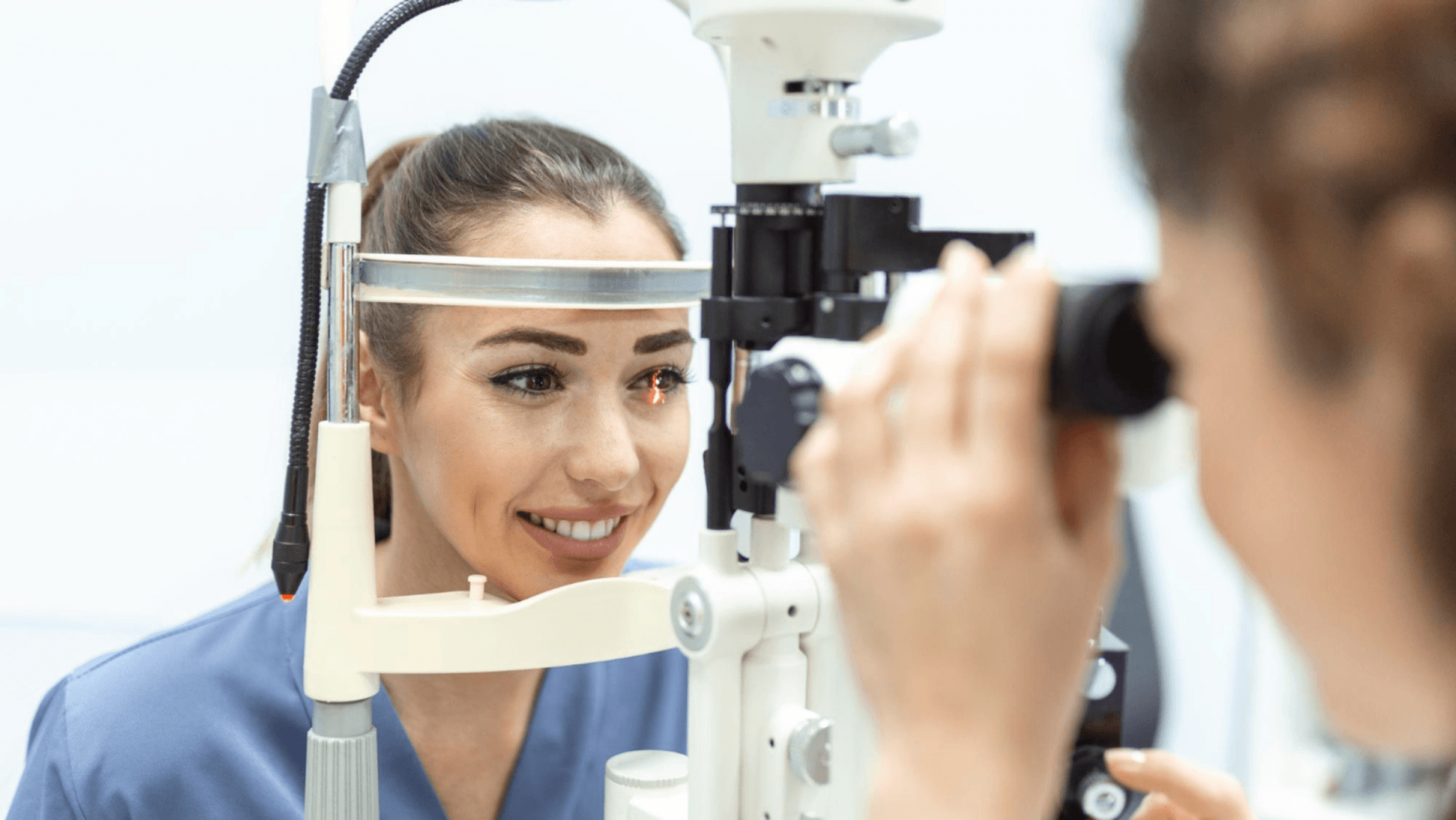
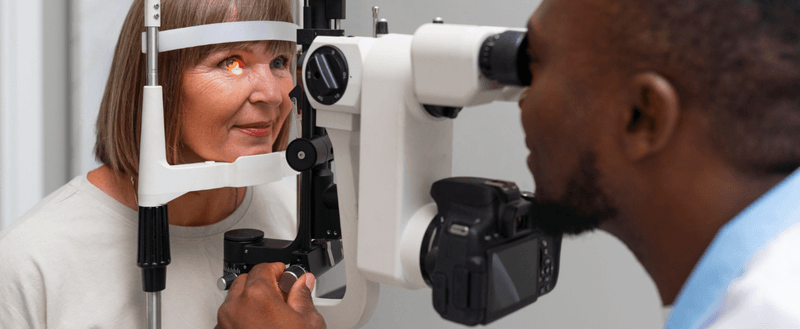
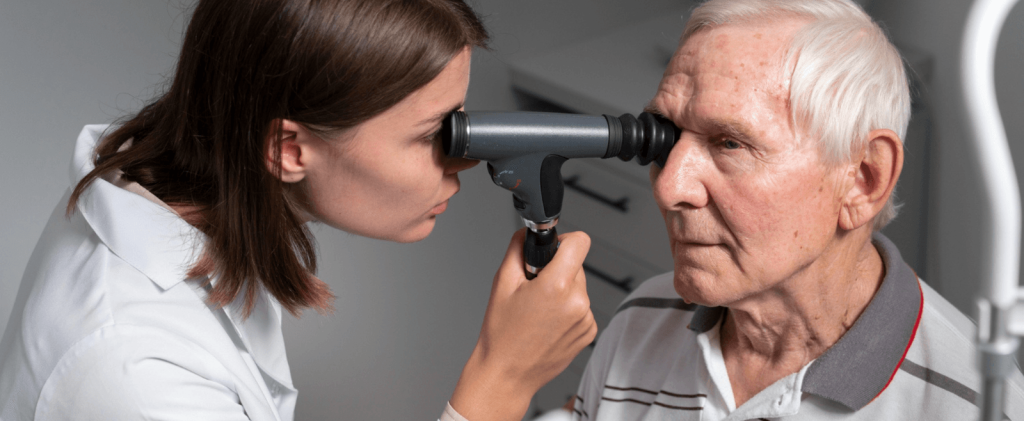
Diagnosis is usually straightforward with an eye examination, but a proper assessment also looks at whether it’s affecting corneal shape, vision quality, or the overall eye surface.
Your ophthalmologist will confirm the diagnosis, assess the size and position, and check how close it is to the centre of the cornea. This helps guide whether monitoring is enough or whether treatment is worth discussing.
If vision has changed, testing may include refraction and corneal measurements to see whether the pterygium is inducing astigmatism or distorting the corneal surface. This is especially relevant if you’ve noticed more blur, more glare, or frequent prescription shifts.
Pterygium often sits alongside dry eye or eyelid inflammation, which can make symptoms worse. Looking at the tear film and eyelid health helps make treatment more effective, because surgery is not the only lever you can pull for comfort.
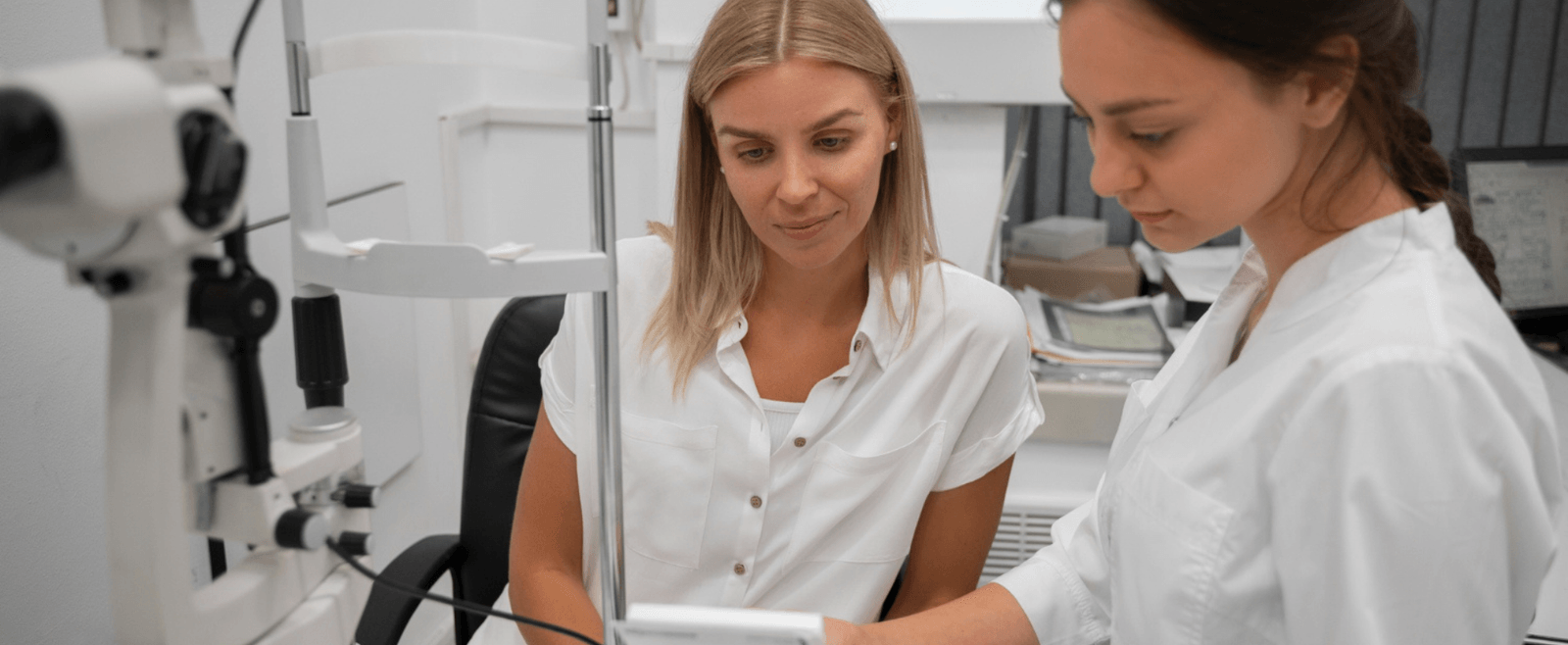
Treatment depends on symptoms, inflammation frequency, and whether vision is being affected. Many cases can be managed conservatively, especially when the goal is improving comfort and reducing flare ups.
Lubricating drops are often the first step to ease irritation and dryness. Consistent eye surface care can reduce the gritty feeling and help the eye look calmer, particularly in environments that trigger flare ups.
If inflammation is significant, prescription drops may be used for short periods, alongside ongoing surface care. The aim is to settle redness and irritation safely, while also addressing the triggers that keep setting it off.
Wraparound sunglasses and a hat outdoors can make a noticeable difference, especially for people who spend a lot of time outside. UV protection isn’t just about comfort, it’s one of the key steps that may help slow progression over time.
Surgery may be considered if the pterygium is affecting vision, growing towards the pupil, causing repeated inflammation that’s hard to control, creating ongoing discomfort, or if cosmetic concerns are significant. The decision is individual and should factor in growth behaviour, corneal impact, and your day to day symptoms.
When surgery is appropriate, the aim is to remove the growth and reduce the risk of recurrence using modern graft techniques. This section is kept brief here, and you can read more about the procedure on our pterygium surgery page.
Pterygium removal involves excising the growth and covering the area with a graft, commonly a conjunctival autograft (using your own tissue) or, in selected cases, an alternative graft approach depending on the eye surface and the surgeon’s plan. The graft helps healing and lowers recurrence risk compared to removal alone.
It’s common to have redness, irritation, and a scratchy sensation early on. The eye typically looks red for a while, then gradually improves over the following weeks as the surface heals and settles.
Recurrence is possible, even with excellent technique. Using a graft and taking UV protection seriously afterwards helps reduce the chance of it returning, but no approach can guarantee it will never recur.
Prevention is mainly about reducing UV exposure and keeping the eye surface healthier and less inflamed over the long term.
Sunglasses that block UV and shield the sides of the eyes, plus a hat outdoors, can reduce irritation and help protect against progression. This is especially important if you work outdoors or spend lots of time near water, sand, or reflective surfaces.
If dryness is driving symptoms, treating it properly can reduce flare ups and improve comfort. Avoiding eye rubbing and managing allergy triggers can also help keep the surface calmer.
It’s worth getting assessed if the pterygium is growing, becoming more inflamed more often, or if your vision is changing. Even if you’re not ready for surgery, a baseline assessment helps track whether it’s stable.
If you’ve noticed symptoms that persist or keep returning, a proper assessment can clarify whether it’s a pterygium, how active it is, and what options make sense for your eyes.
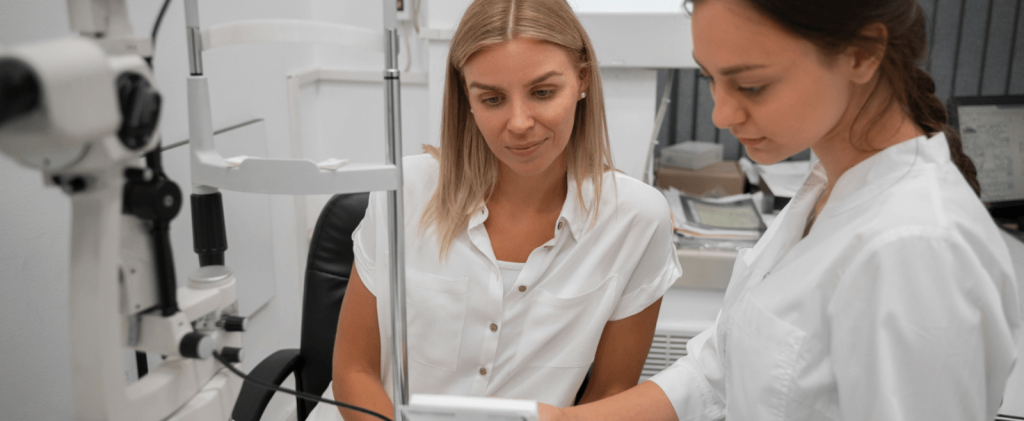
Lens optimisation is often the key for daily tasks. Some people need different lens strategies for long screen days versus night driving. Setting realistic expectations is important, especially if glare and halos are part of your baseline symptoms.a
A pterygium does not usually cause sudden major vision loss or severe pain. If you experience a sudden drop in vision, intense pain, or significant light sensitivity, you should seek prompt review as it may point to another issue that needs urgent assessment.
Managing pterygium well is about more than removing a growth. It’s about understanding the eye surface, tracking corneal impact, and being clear about when surgery is worth considering.
We assess size, position, inflammation pattern, and any impact on vision, including whether astigmatism or corneal distortion is being induced. If monitoring is appropriate, we’ll outline what changes should trigger an earlier review.
Dry eye care, inflammation control, and UV protection guidance can make symptoms easier to live with and may help reduce flare ups. Clear practical advice matters, especially for patients who spend a lot of time outdoors.
To book an appointment, visit your appointment. It helps to bring a brief symptom timeline, a list of current medications or drops, and any photos of flare ups if you’ve taken them (they can be surprisingly useful for showing pattern and severity).
Pterygium is most commonly linked to cumulative UV exposure, especially in people who spend time outdoors. Wind, dust, and dry environments can also irritate the eye surface and contribute to symptoms and flare ups.
Yes. “Surfer’s eye” is a common nickname for pterygium because of its association with UV exposure and outdoor environments.
It can. Pterygium may blur vision by inducing astigmatism or by growing closer to the centre of the cornea where it can interfere with the visual axis.
No, it does not usually disappear on its own. Symptoms like redness and irritation can often be managed with lubricants, surface care, and inflammation control, but the tissue itself typically remains unless removed.
UV protection is key, along with reducing irritation from wind, dust, and dryness. Managing eye surface health and avoiding eye rubbing can also help.
Yes, recurrence is possible. Modern graft techniques and strong UV protection after surgery help reduce risk, but recurrence cannot be completely ruled out.

Loacation: G11-12/566 St Kilda Road, Melbourne VIC 3004
Phone: (03) 9070 0955
Fax: (03) 9978 9426
E-mail: info@cityeyesurgeons.com.au
Copyright © 2025 City Eye Surgeons. All rights reserved. Privacy Policy.