Freedom from glasses starts here.
Oculoplastics is a subspecialty of ophthalmology focused on surgery and medical care of the eyelids, tear drainage system (lacrimal system), and the orbit (eye socket). People seek oculoplastics for many reasons, from sore, irritated eyes caused by eyelid misalignment to heavy upper lids that block vision, as well as concerns about symmetry or age-related changes. The aim is to improve comfort, protect the eye surface, and restore natural eyelid function and appearance, with clearer vision where droopy or heavy lids are getting in the way.
Oculoplastic surgery includes procedures that correct eyelid position, remove eyelid lumps or suspicious lesions, improve tear drainage, and address problems within the orbit. Many treatments are functional and medically necessary, but some can also be cosmetic.
Ptosis is a drooping of the upper eyelid that can affect one or both eyes. It can create a tired appearance, but it can also reduce the upper field of vision. Some people lift their brows constantly to compensate, which can lead to forehead fatigue or headaches. Ptosis can be age-related, present from childhood, or linked to other medical causes, so careful assessment matters.
Dermatochalasis refers to loose or redundant eyelid skin, usually in the upper lids. It can feel heavy, contribute to brow strain, and in more significant cases interfere with vision, particularly in the upper and outer visual field. Many people also notice difficulty applying makeup or a sensation of lid skin resting on lashes.
When an eyelid turns inward (entropion), lashes and skin can rub against the cornea, causing grittiness, redness, tearing, and sometimes corneal damage if untreated. When the eyelid turns outward (ectropion), the eye surface can become dry and exposed, and the tear drainage opening may not sit in the right position, leading to watering and irritation.
Eyelid lumps are common and often benign, such as chalazia (blocked oil glands) or cysts. Some lesions, however, need closer assessment, particularly if they are growing, ulcerated, bleeding, causing lash loss, or not healing. Where appropriate, lesions can be removed and sent for pathology to confirm the diagnosis and guide follow-up.
Watery eyes can happen when tears cannot drain properly, or when the eye is irritated and produces reflex tearing. Common causes include punctal narrowing (the small openings that drain tears), blockage further down the tear duct system, eyelid position problems, allergies, and dry eye disease. Treatment depends on identifying the cause, because surgery is helpful for true outflow obstruction but not for every type of watering.
Thyroid eye disease can cause eyelid retraction, eye prominence, dryness, discomfort, swelling around the eyes, and in more severe cases double vision or reduced vision. Management is often staged and may involve close monitoring, surface protection, medical therapy, and sometimes surgery once the condition is stable. If your case is complex, coordinated care with other specialists may be recommended.
A good oculoplastics outcome starts with a clear diagnosis and careful planning. If you want to understand the broader approach to care at the clinic, you can read more about us.
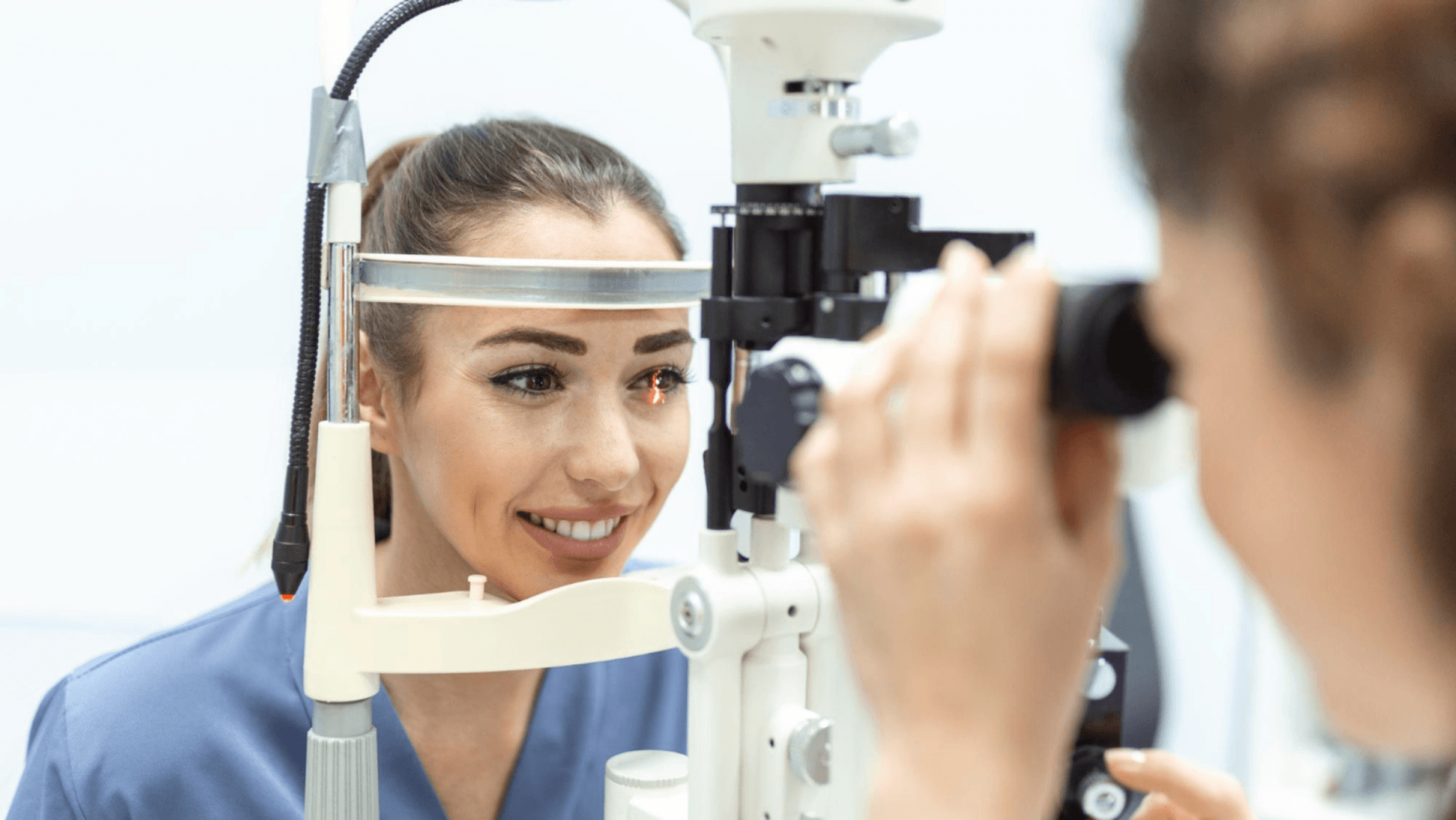
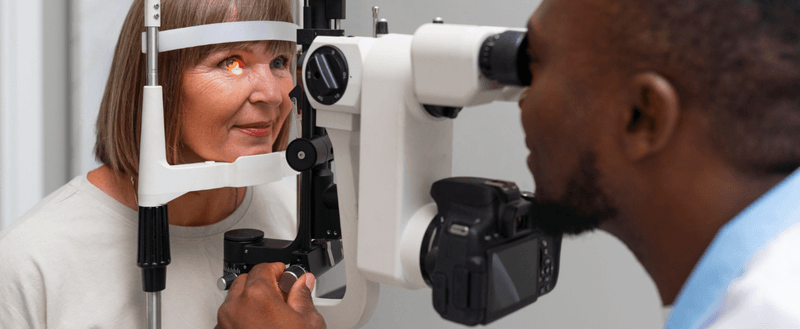
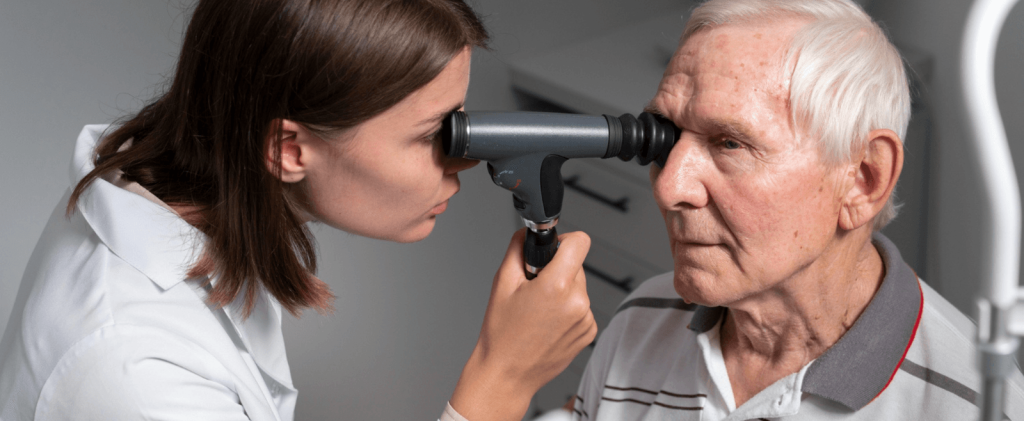
Your appointment may include:
If a lesion looks suspicious, your specialist will discuss whether biopsy or removal is recommended and what that involves.
Visual field testing may be used when heavy lids or ptosis are suspected to be blocking the upper field of vision. It provides objective documentation of how much the lids affect vision and can support medical necessity for functional surgery where rebates may apply. Not every patient needs this, and your specialist will guide you based on findings.
You will be advised on the options that match your condition and goals, including whether non-surgical management is reasonable, what surgery involves, the main risks, recovery expectations, and what results are realistic. If you have other eye conditions or vision needs, this is also the time to discuss how care can be coordinated.
Preparation varies based on the procedure, your medical history, and whether the surgery is done under local anaesthetic, sedation, or general anaesthetic.
Bring a full medication list to your consultation. Tell your doctor if you take blood thinners, anti-inflammatory medications, or supplements that can increase bleeding risk. Do not stop prescribed medication without medical advice, because the balance between surgical bleeding risk and your general health needs must be assessed individually.
You may be asked to stop contact lens wear for a short period around surgery, depending on the procedure and eye surface health. On the day of surgery, avoid eye makeup, creams, and skincare products around the eyelids unless your doctor has told you otherwise. Clear instructions will be given before your procedure.
Most patients underestimate how visible bruising and swelling can be in the first week. Plan for time off work, transport home after surgery, and help with meals, childcare, or lifting if you are having a procedure that involves sedation or more extensive work. Also plan for a few quiet days with time for cold compresses and rest.
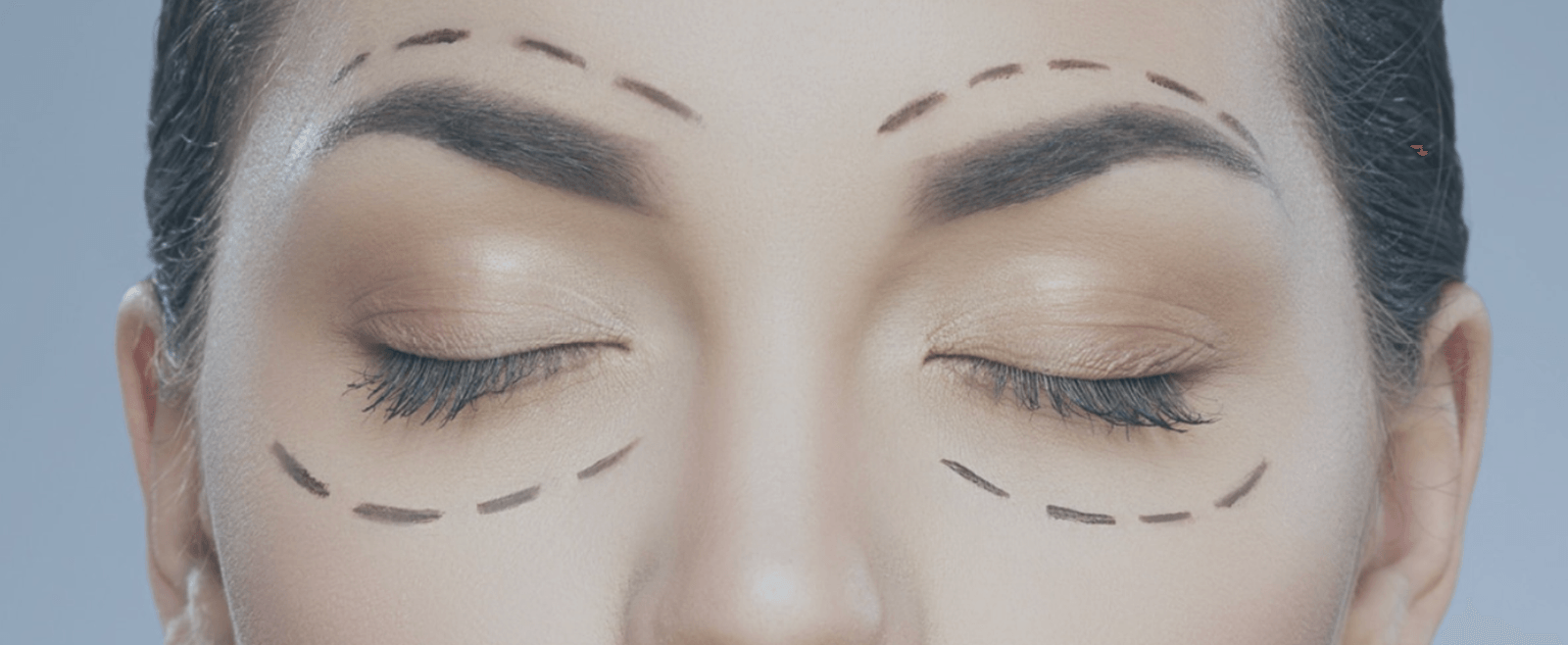
Recovery depends on the type of procedure and individual healing. Your surgeon will provide specific aftercare instructions.
It is normal to have swelling and bruising, and it often peaks in the first couple of days before improving. Dryness, watering, or a gritty sensation can occur while tissues settle. You may be prescribed ointment, drops, or both, along with guidance on cold compresses and wound care. Keep the area clean, avoid rubbing the eyes, and attend all scheduled reviews.
Incisions are generally placed in natural eyelid creases or along lash lines where possible. Scars mature over time, often over months. Sun protection is important while scars are healing, as UV exposure can worsen pigment changes. Your surgeon will advise when it is safe to use scar care products and what is appropriate for your skin.
For functional problems, outcomes may include less irritation, reduced watering when eyelid position or drainage is corrected, and improved comfort. In cases where upper lids are blocking vision, surgery can improve the upper field of view and reduce brow strain.
Cosmetic results aim for a natural look rather than a “pulled” appearance. Symmetry is a goal, but perfect symmetry is not always possible because natural facial differences exist. A careful plan and realistic expectations are important.
Ageing continues, and factors like skin quality, sun exposure, smoking, and medical conditions influence how long results last. Some procedures are long-lasting, but changes over time can mean that future treatments may be considered.
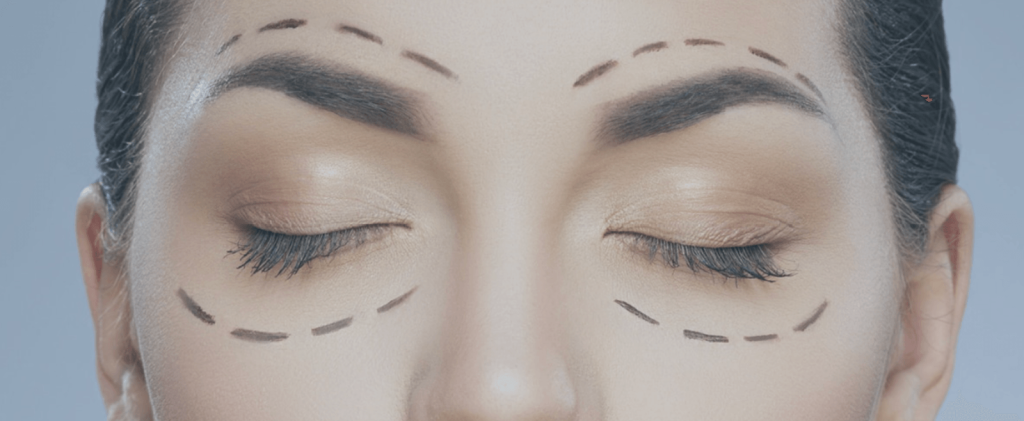
For functional problems, outcomes may include less irritation, reduced watering when eyelid position or drainage is corrected, and improved comfort. In cases where upper lids are blocking vision, surgery can improve the upper field of view and reduce brow strain.
Cosmetic results aim for a natural look rather than a “pulled” appearance. Symmetry is a goal, but perfect symmetry is not always possible because natural facial differences exist. A careful plan and realistic expectations are important.
Ageing continues, and factors like skin quality, sun exposure, smoking, and medical conditions influence how long results last. Some procedures are long-lasting, but changes over time can mean that future treatments may be considered
Oculoplastics requires a detailed understanding of eyelid anatomy, tear drainage function, and eye surface protection. The goal is to correct the issue while keeping the eye comfortable and protected.
Good planning includes clear discussion of options, realistic outcomes, and a follow-up schedule that supports safe healing. You will be guided on what to expect at each stage and when to contact the clinic if something does not feel right.
To book an appointment, call the clinic or use the online booking options available on the website. If you have any of the following, bring them with you:
Most oculoplastic procedures involve mild to moderate discomfort rather than severe pain. Tightness, soreness, and irritation are common in the first few days, and dryness can occur while swelling settles. Pain that is worsening rather than improving should be reviewed.
Most bruising and swelling improves over 1 to 2 weeks, but fine swelling and scar maturation can continue for several months. The point at which you feel “socially presentable” varies, but many patients are comfortable being seen in public within about two weeks, depending on the procedure and bruising.
Incisions are usually placed in natural eyelid creases or along the lash line to reduce visibility. Scars typically fade over time, but individual healing varies. Sun protection and following wound care instructions help scars mature well.
Yes, when droopy eyelids or excess eyelid skin are blocking the pupil or upper visual field, surgery can improve functional vision. It can also reduce brow strain that people develop from lifting the forehead to see better. If vision changes are caused by other eye conditions, eyelid surgery may not address those, so assessment is important.
This depends on the procedure and healing. Makeup is usually avoided until incisions are healed and your surgeon confirms it is safe. Contact lenses may need to be paused for a period, especially if the eye surface is dry or irritated after surgery. You will be given specific timing based on your operation and recovery.

Loacation: G11-12/566 St Kilda Road, Melbourne VIC 3004
Phone: (03) 9070 0955
Fax: (03) 9978 9426
E-mail: info@cityeyesurgeons.com.au
Copyright © 2025 City Eye Surgeons. All rights reserved. Privacy Policy.