Freedom from glasses starts here.
YAG capsulotomy is a quick in-clinic laser procedure used to treat cloudy vision that can develop after cataract surgery. This cloudiness is most often due to posterior capsule opacification (PCO), sometimes called a “secondary cataract”. It is not the original cataract coming back, and it can usually be treated effectively with a short laser treatment.
YAG capsulotomy uses a laser to create a clear opening in the cloudy capsule behind your lens implant, allowing light to pass through properly again.
During cataract surgery, your artificial lens implant is placed into a thin clear membrane called the capsule. Over time, this capsule can become cloudy, which can affect vision and contrast. This is a common cause of blurred vision after cataract surgery, but it is not a true cataract returning.
A YAG laser is used to make a small opening in the cloudy capsule. Once the opening is created, light can pass through more clearly and vision often improves quickly.
YAG capsulotomy may be recommended if you notice blurry vision, increased glare or halos, reduced contrast, or difficulty reading and driving after cataract surgery.
PCO symptoms can look a lot like cataract symptoms, which is why many people describe it as the cataract “coming back”.
Vision can gradually become soft, misty, or less crisp, even if your cataract surgery recovery initially went well.
You might notice more glare around lights at night, or feel less confident driving in low light due to reduced contrast.
This is a very common way people describe PCO. The key difference is that the lens implant is still clear, but the capsule behind it has become cloudy.
Before recommending YAG laser, we confirm that PCO is the cause of your symptoms and check for any other eye issues that may affect vision.
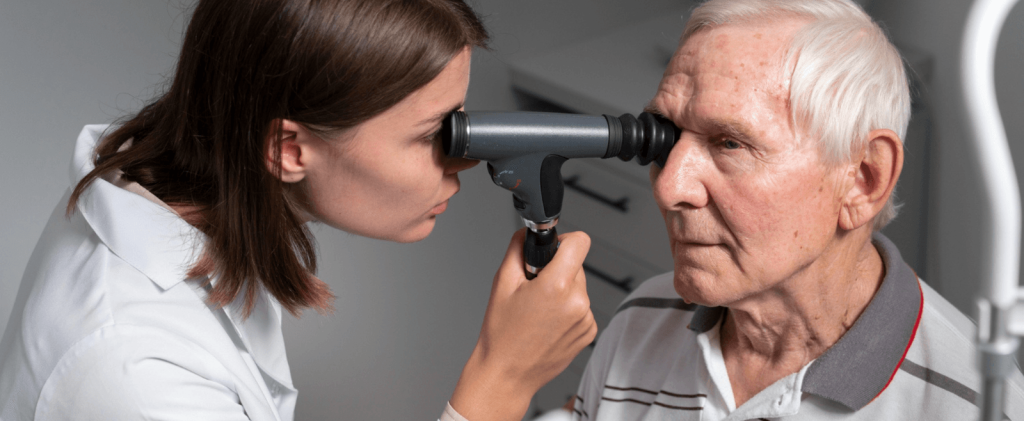
Your ophthalmologist will examine the capsule and lens implant, check your vision, and confirm that PCO is present. The exam also helps rule out other causes of blurred vision, including retinal or macular conditions.
If symptoms suggest a macular issue, OCT imaging may be recommended to check the health of the central retina. Eye pressure checks are also commonly performed as a baseline, particularly if you have a history of pressure concerns such as glaucoma.
YAG capsulotomy is performed in the clinic and is usually a short appointment, with most of the time spent preparing the eye.
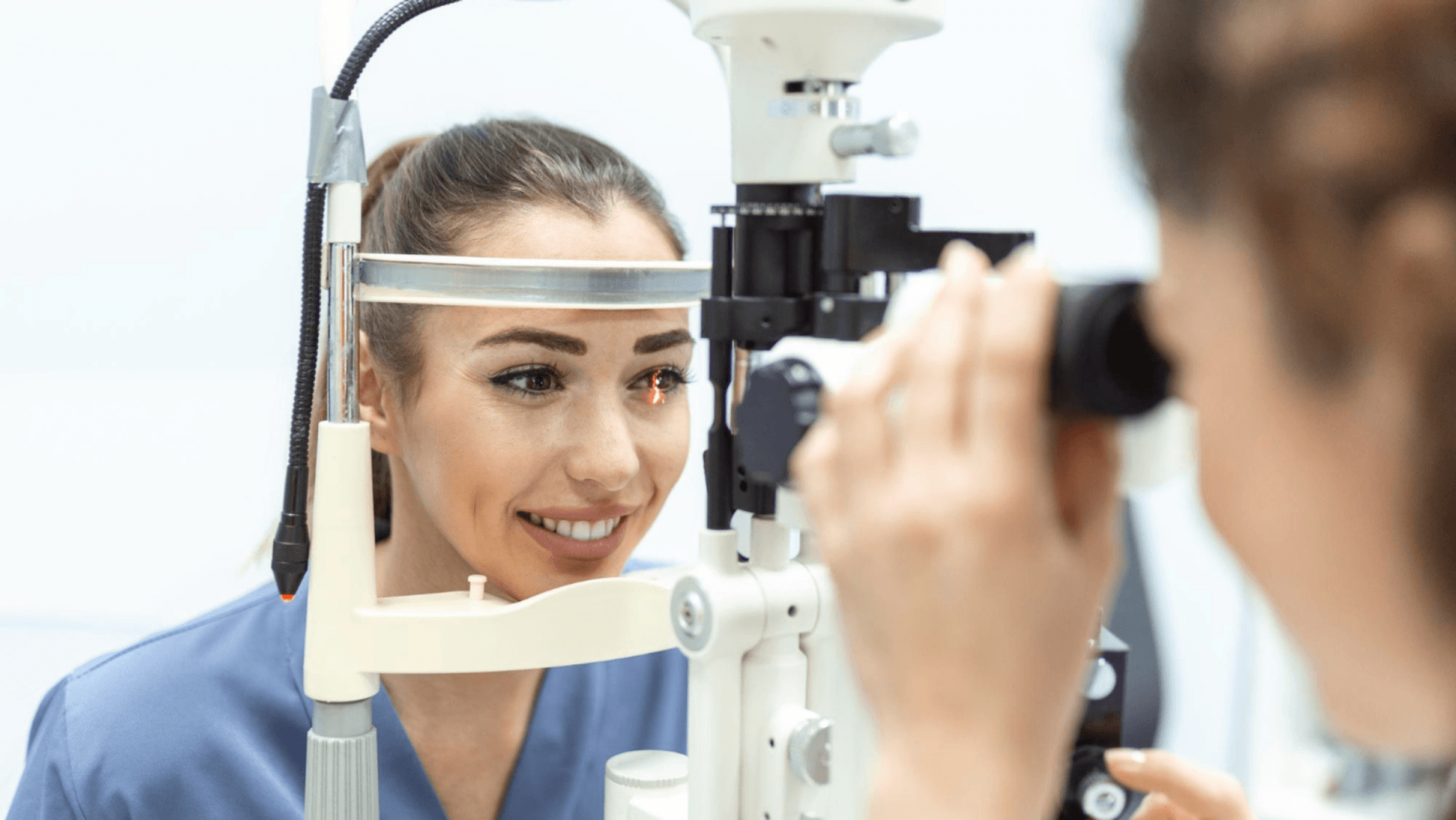
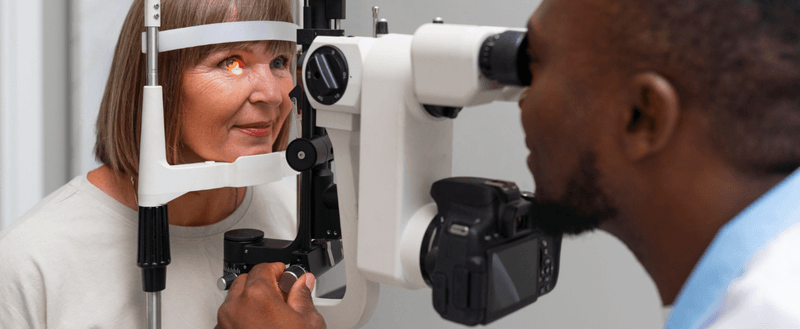
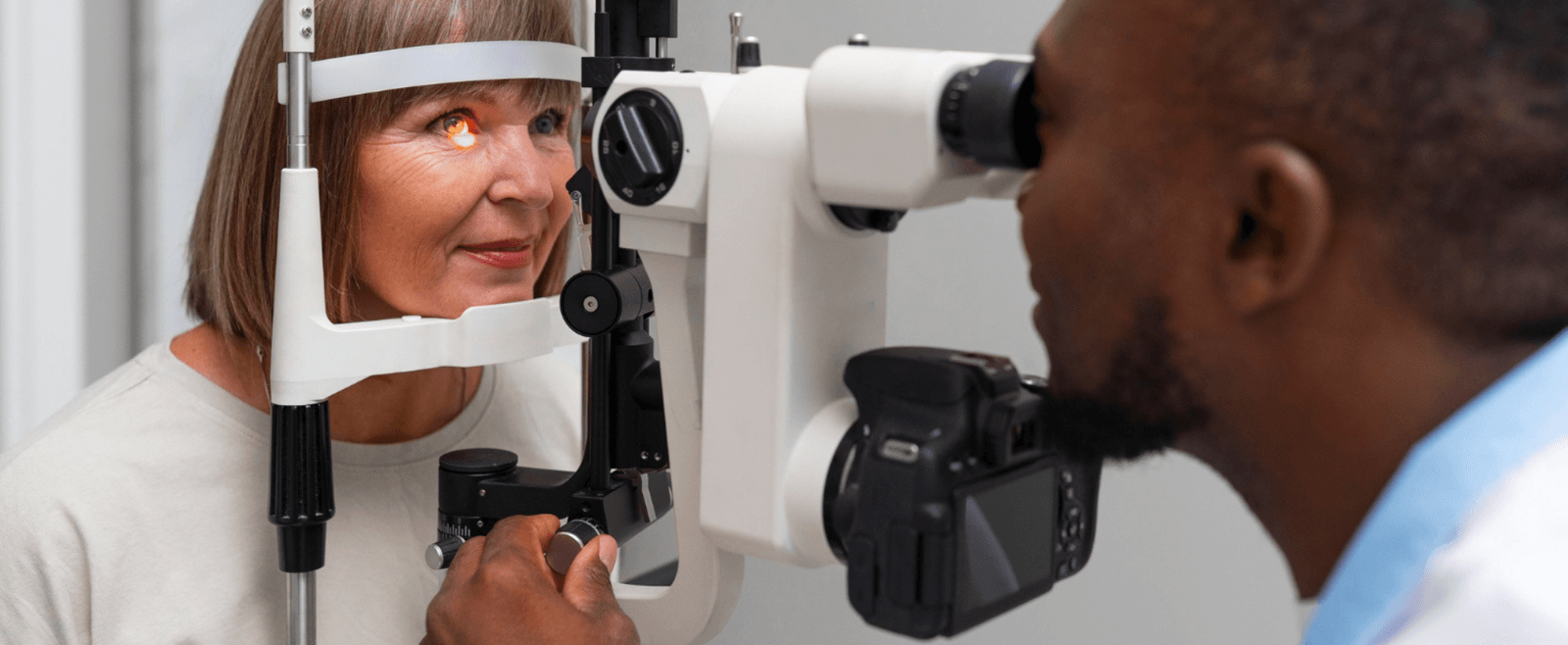
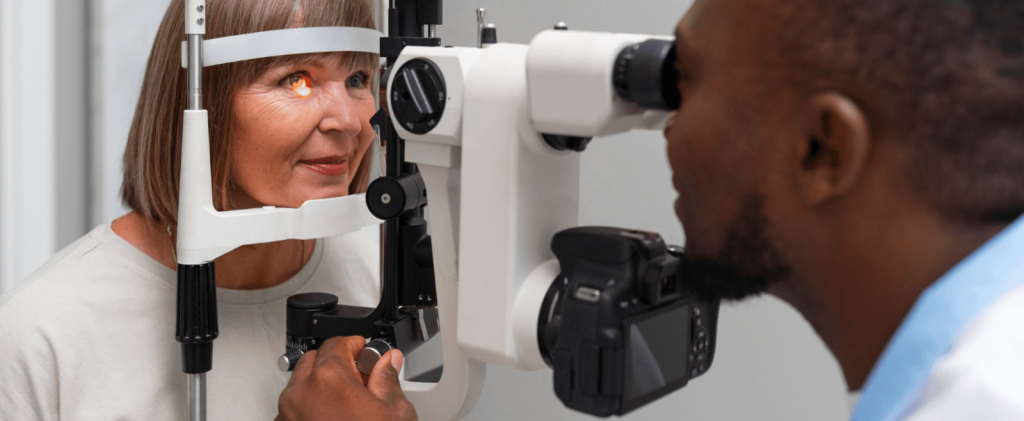
Dilating drops are used first. The laser is then performed at a slit lamp, similar to the microscope used during eye examinations. The treatment itself is quick, and the laser creates the opening in the cloudy capsule.
The laser time is typically only a few minutes, but the total appointment can be longer because dilation often takes time to work and a pressure check may be performed afterward.
YAG capsulotomy is typically painless. You may notice a bright light during treatment and some people describe mild awareness of the procedure, but it should not be painful.
Most people recover quickly and return to normal routines soon after, but there are a few common short-term effects to be aware of.
Many patients notice clearer vision quite quickly, sometimes the same day. Vision may be temporarily blurry from the dilating drops, and your eyes may feel a little light sensitive for a short period.
Floaters can be common in the short term after YAG laser. They often settle as the eye clears. If you develop a sudden shower of floaters, new flashes, or a shadow in your vision, you should seek urgent review, especially given the small but important retinal risk discussed below.
Some patients are prescribed anti-inflammatory drops for a short period, depending on the eye and individual risk factors. Your follow-up plan will be explained clearly after the procedure.
Most people can return to normal activities quickly, but same-day driving depends on how much your vision is affected by dilation. If dilation leaves you blurry or light sensitive, it is safer to have someone drive you home.
The goal of YAG capsulotomy is to restore the clarity you had after cataract surgery before the capsule became cloudy.
Vision often becomes sharper and clearer, with improved contrast and less haziness. Glare may improve as well, although results depend on overall eye health.
YAG capsulotomy is usually a permanent treatment for that capsule. Repeat treatment is uncommon because the opening remains.
If your vision has changed due to PCO, your prescription may need to be re-checked after the eye settles. This is usually done after the immediate post-laser period, when your vision has stabilised.
We confirm PCO and check for other causes of blurred vision so the treatment matches the real reason your vision has changed.
YAG capsulotomy is performed in a controlled clinical setting, with appropriate checks before and after treatment, including pressure monitoring when needed.
To book an assessment or YAG capsulotomy appointment, start with your appointment. Bring any details from your cataract surgery (including which eye and when it was done), a timeline of your symptoms, and your current medication list. If your vision has changed suddenly or you are concerned, contact the team via contact us for urgent advice.
No. Cataract surgery removes the cloudy natural lens and replaces it with a lens implant. YAG capsulotomy is a laser procedure done later to clear cloudiness in the capsule that supports the implant.
The laser treatment itself is usually only a few minutes, but your full appointment may be longer due to dilation time and post-laser checks.
Some people can drive afterward, but dilation can make vision blurry and light sensitive. It is often safer to plan for someone else to drive you home, especially if your pupils remain dilated.
Most side effects are temporary, such as floaters or mild irritation. Less common risks include raised eye pressure, inflammation, macular swelling, and a rare risk of retinal tear or detachment.

Loacation: G11-12/566 St Kilda Road, Melbourne VIC 3004
Phone: (03) 9070 0955
Fax: (03) 9978 9426
E-mail: info@cityeyesurgeons.com.au
Copyright © 2025 City Eye Surgeons. All rights reserved. Privacy Policy.