Freedom from glasses starts here.
Astigmatism is a common focusing issue where the cornea, or sometimes the natural lens inside the eye, is not perfectly round. Instead of light coming to one crisp focus, it spreads across more than one point, which can make vision look blurry, shadowed, or slightly distorted at distance, up close, or both. Astigmatism often occurs alongside short sightedness or long sightedness, so your prescription may include more than one component.
Astigmatism changes how light enters the eye and focuses on the retina. Many people have some astigmatism and only notice it when tasks like night driving, reading, or screen work start feeling harder than they should.
With astigmatism, light does not focus cleanly in one place. It focuses across two main points or along a line, which can create blur, distortion, and a ghosting effect around letters or lights. This is why some people describe it as “double edges” on text, or starbursts around headlights at night.
Corneal astigmatism comes from the shape of the cornea, the clear front surface of the eye. Lenticular astigmatism comes from the natural lens inside the eye. In real life, you can have a mix of both, which is why the best correction depends on both your prescription and your eye health, not just the number written on your glasses script.
Yes. Astigmatism is very common and highly treatable. For many people, the right glasses or contact lenses are enough. For others, surgical options can reduce dependence on optical correction, depending on suitability.
Symptoms vary because astigmatism can affect distance, near, or both. Mild astigmatism might only show up in certain situations, like low light, long screen sessions, or night driving.
Vision may feel slightly smeared, stretched, or soft, whether you are looking far away, reading up close, or shifting between both. Some people find one eye is noticeably clearer than the other, especially when the astigmatism differs between eyes.
When your eyes are constantly trying to compensate for imperfect focus, it can lead to eye fatigue, headaches, and difficulty concentrating. This can be more noticeable with reading and screens, where you are trying to hold focus for longer stretches.
Astigmatism can make night driving tougher. Headlights may look starry or streaky, glare can feel stronger, and road signs can be harder to read quickly. If these symptoms are new or worsening, it is worth having your prescription and eye health checked.
For most people, astigmatism is simply the way the eye is shaped. In some cases, it can be influenced by eye conditions or changes to the cornea.
Astigmatism is often present from childhood and may shift over time. It can change gradually as the eye grows and ages, and it can also change as other focusing issues like presbyopia develop later in life.
Corneal injury, scarring, or previous surgery can change the shape of the cornea and lead to astigmatism. This can sometimes create irregular astigmatism, where the cornea is not just oval, but uneven in a more complex way.
Keratoconus is a condition where the cornea thins and bulges forward, causing irregular astigmatism and visual distortion. It is an important distinction because regular astigmatism and irregular astigmatism behave differently and are corrected differently. If there is any concern about corneal instability or keratoconus risk, we may discuss stabilising treatments such as corneal cross linking and long term corneal monitoring. You can also read more about keratoconus if this has been raised in past eye checks.
Astigmatism is usually described as regular or irregular, and the type affects which correction options tend to work best.
Regular astigmatism is the most common type. The cornea has a more consistent shape difference across two main meridians, and it is typically correctable with glasses, toric contact lenses, and many surgical options depending on suitability.
Irregular astigmatism is often linked to corneal conditions, scarring, or keratoconus. Glasses may not fully sharpen vision because the distortion is more complex. Some people do best with specialty contact lenses such as rigid gas permeable lenses or scleral lenses, and in selected cases, corneal procedures may be discussed.
Astigmatism can be mild or more significant, and the level influences how noticeable symptoms are and how strong the correction needs to be. The key point is that even higher astigmatism can often be managed very effectively with the right plan.
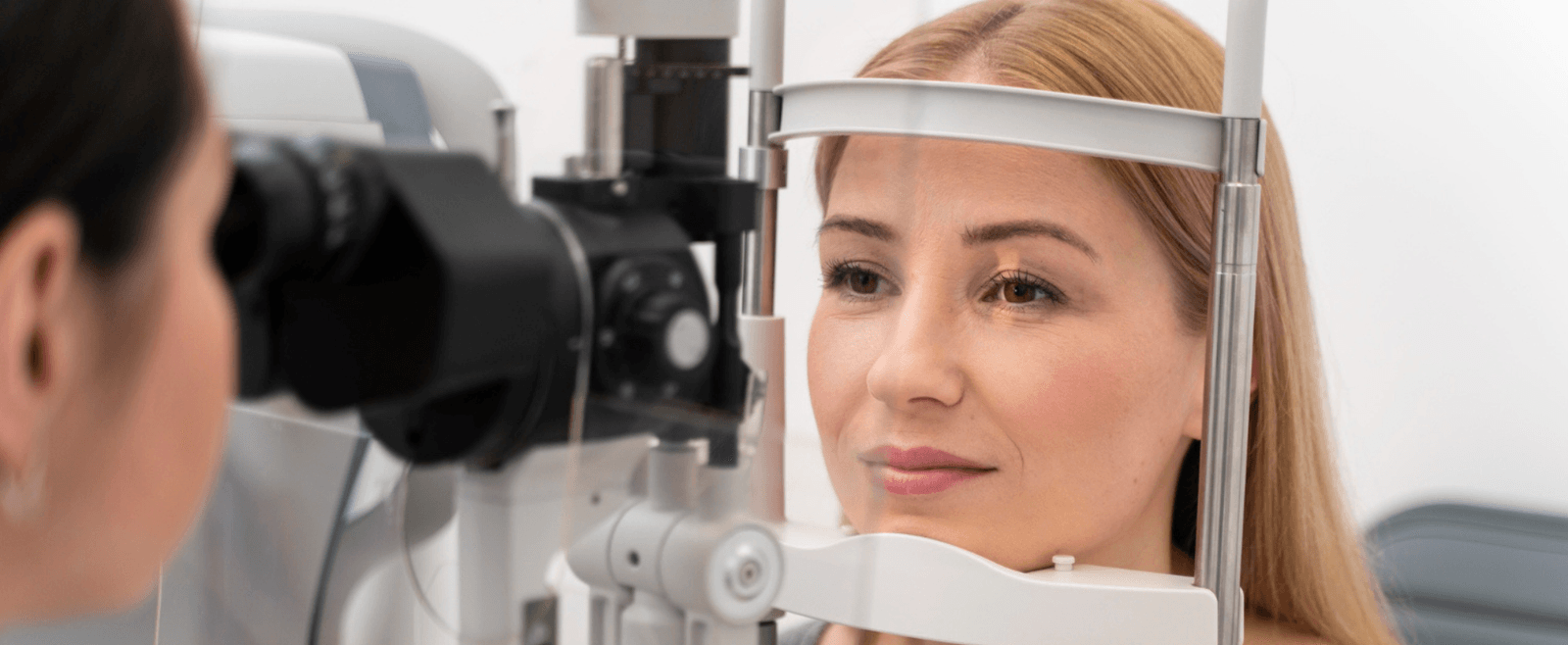
Diagnosis involves measuring your prescription and assessing the shape and health of the cornea, especially if astigmatism is changing or symptoms are out of proportion to the prescription.
A refraction measures how your eyes focus and determines the prescription that gives the clearest vision. Astigmatism is recorded as cylinder and axis, which describes both the amount and the direction of the correction required.
Corneal mapping measures the shape of the cornea in detail. It is especially important when there is concern about irregular astigmatism or keratoconus, and it is also used in planning suitability for refractive procedures such as laser eye surgery.
If astigmatism is changing quickly, or if your vision cannot be corrected as expected, an eye health assessment helps rule out underlying causes like corneal disease, scarring, cataracts, or retinal issues.
Treatment depends on your prescription, symptoms, corneal shape, and lifestyle goals. Some people want the sharpest possible correction for work and driving, while others are mainly trying to reduce the hassle of glasses or contacts.
Glasses are a simple and effective option for most people. They use toric optics to correct the uneven focusing, and they can be updated as your prescription changes.
Soft toric contact lenses correct regular astigmatism and can work well for everyday wear. For irregular astigmatism, rigid gas permeable or scleral lenses may provide better clarity by creating a smooth optical surface over the cornea.
In suitable patients, laser procedures can reshape the cornea to reduce astigmatism and improve unaided vision. Options can include LASIK eye surgery or PRK eye surgery depending on corneal thickness, surface health, and other factors. Some people will still need glasses for certain tasks later in life due to presbyopia, but astigmatism itself can often be significantly reduced when appropriate.
If you have cataracts, astigmatism can often be corrected at the time of cataract surgery using toric intraocular lenses or other planning strategies. This can reduce dependence on glasses after surgery, depending on the chosen vision target.
For some people, lens based correction may be discussed, particularly if there are early lens changes or if the goal includes reducing dependence on glasses for both distance and near. This can be part of a refractive lens exchange plan, where lens choice and targets are matched to lifestyle and eye health.
If you think you may have astigmatism, or if your correction no longer feels sharp, an assessment can clarify what is going on and what your best options are.
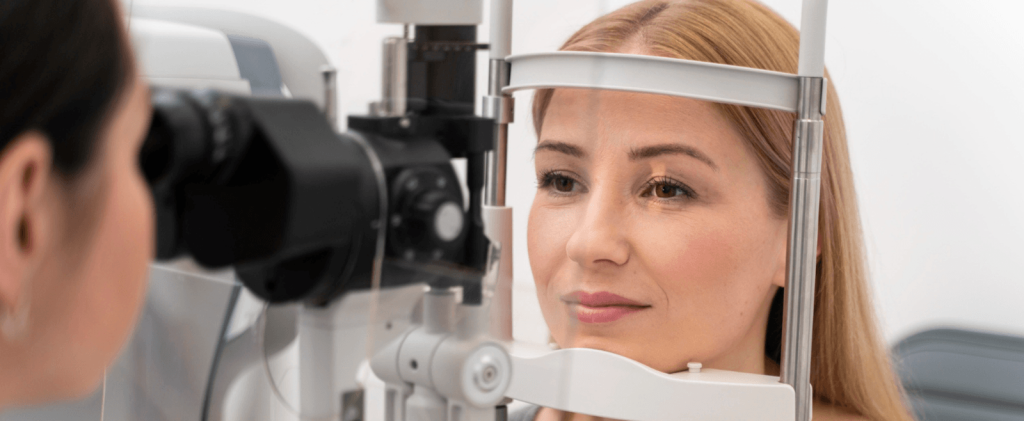
Blurred vision, headaches, squinting, poor night vision, eye strain, and frequent prescription changes are all good reasons to book in. If you are also noticing near blur in your 40s and beyond, it may be helpful to review for presbyopia as well.
Astigmatism can affect learning if it makes reading and board work harder. Early testing and correction supports comfortable vision development, especially if a child is squinting, avoiding reading, or complaining of headaches.
We assess not just the prescription, but also corneal shape and eye health, especially when irregular astigmatism or keratoconus risk needs to be ruled out.
From glasses and contacts to laser and lens based options, the goal is to match your correction plan to your eyes and the way you actually use your vision day to day.
If you are noticing blur, headaches, or night glare, it is worth getting checked. To book an appointment, head to our contact page. Bringing your current prescription, contact lens details, and a short symptom timeline can help make the visit more efficient.
Most astigmatism is caused by natural corneal shape and genetics. It can also be influenced by corneal scarring, injury, or conditions like keratoconus.
Yes. Glasses and contact lenses correct astigmatism well for most people, and surgical options may be suitable for selected patients.
Astigmatism itself is common and usually not dangerous. The main concern is when astigmatism changes quickly or becomes irregular, because that can indicate an underlying corneal issue that needs assessment.
In suitable patients, laser eye surgery can reduce astigmatism by reshaping the cornea. Suitability depends on corneal thickness, shape, prescription range, and eye health.
Regular astigmatism has a more consistent shape pattern and is usually corrected well with glasses or toric contacts. Irregular astigmatism is often linked to keratoconus or scarring and may need specialty lenses or corneal treatment.
It can change over time, and many people notice changes as the eye ages. Sudden or rapid change is a reason to be checked sooner.
Common clues include blurred or distorted vision, ghosting around letters, headaches, squinting, and stronger glare at night. A refraction and eye health exam confirms the diagnosis.

Loacation: G11-12/566 St Kilda Road, Melbourne VIC 3004
Phone: (03) 9070 0955
Fax: (03) 9978 9426
E-mail: info@cityeyesurgeons.com.au
Copyright © 2025 City Eye Surgeons. All rights reserved. Privacy Policy.