Freedom from glasses starts here.
LASIK is a laser refractive procedure that corrects the focusing power of the eye to reduce your dependence on glasses and contact lenses. If you have short-sightedness, long-sightedness or astigmatism, your vision is blurry without glasses or contact lenses because light does not come to a clear focus at the back of the eye. Glasses or contact lenses help by adjusting how light is bent as it enters the eye.
LASIK eye surgery permanently corrects for short-sightedness, long-sightedness and astigmatism by changing the curvature of the front surface of the eye so that light enters and focuses clearly at the back of the eye. In doing so, it removes the need for glasses and contact lenses to achieve clear vision.
LASIK is the most popular laser vision correction procedure performed today because it causes minimal discomfort and very little downtime, allowing you to return to your usual activities almost immediately.
To be a suitable candidate for LASIK eye surgery you should be at least 20 years of age, have had a stable prescription for the last 12 months and have healthy eyes. As a general rule, you will be eligible if your prescription is in the range of -10.0 to + 4.0 diopters provided corneal thickness is adequate.
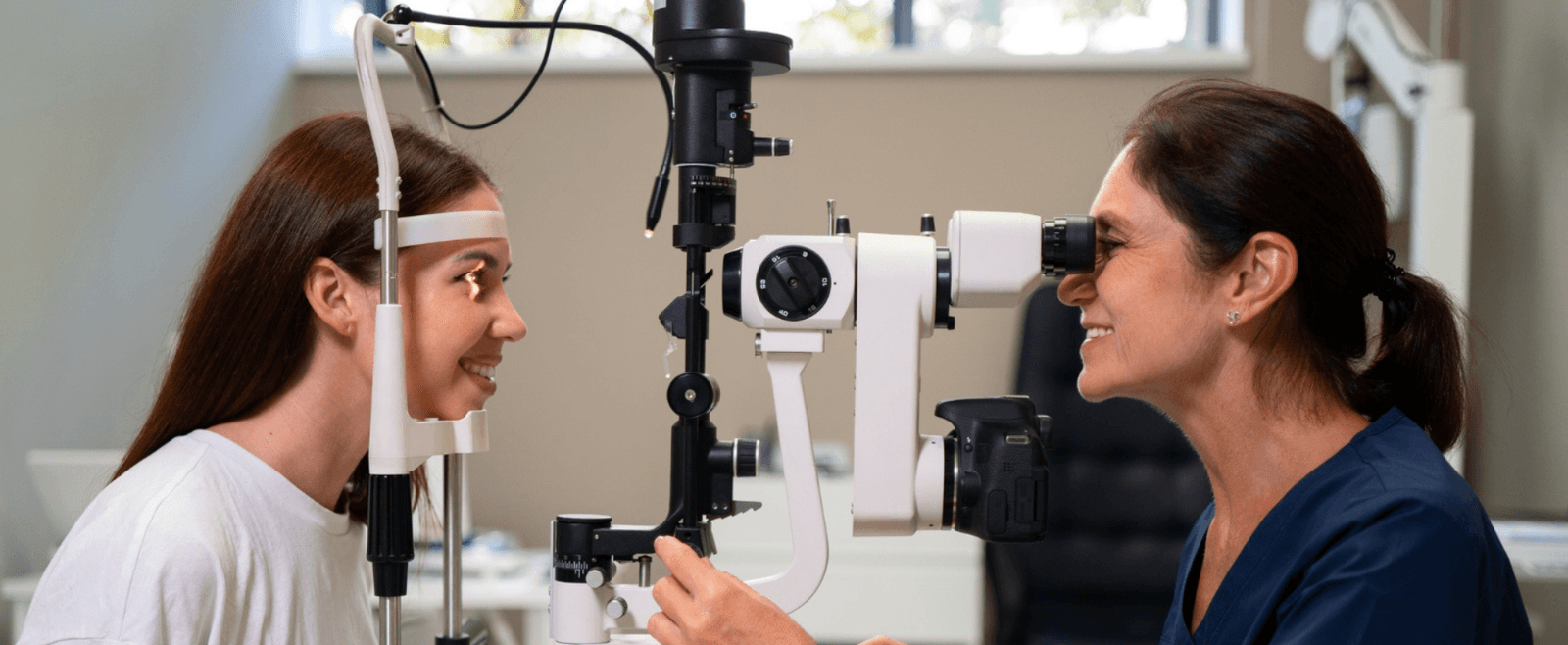
At your laser eye surgery consultation, a detailed assessment will be performed to ascertain your prescription as well as your corneal thickness, shape and general eye health. If you are found to be ineligible for LASIK, you may be recommended a more suitable procedure such as PRK, ICL, refractive lens exchange or cataract surgery.
LASIK surgery is a two-step procedure. In the first step, a femtosecond laser creates a thin flap of corneal tissue on the surface of the eye. The flap is then lifted and reflected to expose the deeper corneal tissue.
In the second step, a computer guided excimer laser removes corneal tissue from the exposed surface in a precise manner, reshaping your cornea to correct for your prescription. Finally, the flap is repositioned and allowed to adhere naturally.
You will be awake during the procedure as we need you to fixate on a light to keep your eyes steady. Your eyes will be numbed with drops for the surgery, so you won’t feel anything, and if needed, a light sedative tablet may be given to help you relax.
LASIK aims to reduce dependence on glasses or contact lenses, but outcomes vary and long-term vision is influenced by natural ageing changes.
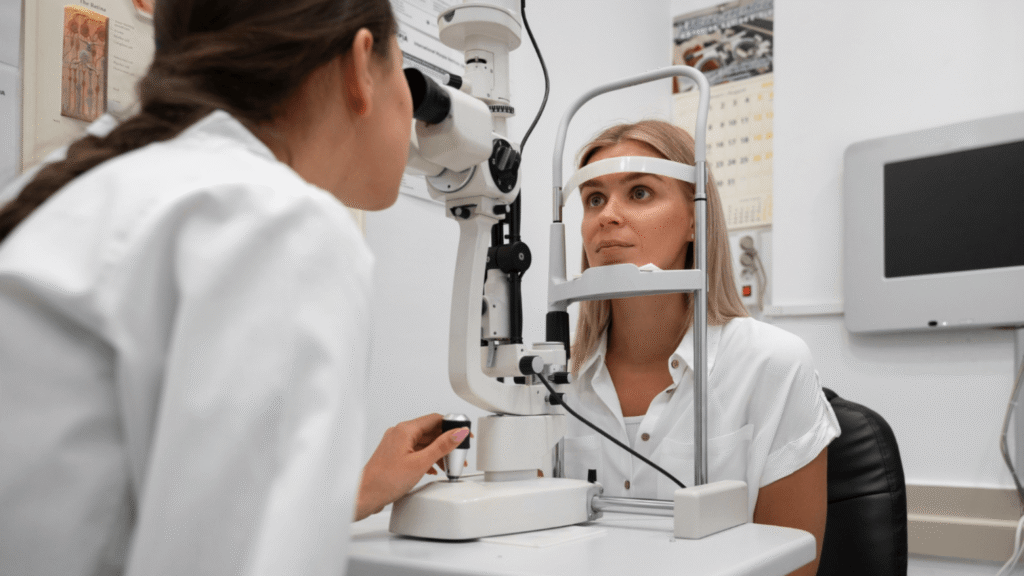
Many people notice meaningful improvement quickly, often within the first few days. Vision can continue to sharpen and stabilise over the following weeks as dryness settles and the cornea heals.
Some people still need glasses for certain tasks. If you later develop presbyopia, reading glasses may be needed even if distance vision remains clear. If your prescription changes over time, enhancement may be discussed in selected cases, but only after stability and corneal safety are confirmed.
LASIK is designed to be long-lasting for the treated prescription. However, vision can still change over time due to normal ageing, presbyopia, and other eye health factors. Ongoing eye checks remain important even after surgery.
Good LASIK outcomes start with careful screening, especially corneal mapping, tear film testing, and accurate measurements. This reduces risk and helps choose the right procedure for your eyes.
Experience matters in planning and in execution. Surgical judgement is important for deciding who is suitable, how to plan treatment conservatively, and how to support recovery.
Book a LASIK Consultation in Melbourne
Yes! For suitable candidates, LASIK has a strong safety profile. Safety depends on proper screening, conservative planning, and good follow-up care.
No, the procedure is usually not painful because numbing drops are used. You may feel pressure during surgery and irritation or a gritty sensation afterwards, especially in the first day.
The laser portion is brief and the procedure time per eye is short. Your total time at the clinic is longer due to preparation, checks, and monitoring after the procedure.
Do not drive on the day of surgery. Driving should only resume once your vision is safe and you have been cleared at follow-up.
Possibly. Dry eye is assessed carefully because it can affect comfort and visual quality. In some cases, dry eye needs treatment first or a different procedure may be recommended.
Freedom from glasses starts here.
LASIK is one of the most commonly performed laser vision correction procedures. It is designed to correct refractive error by changing the cornea’s shape in a controlled way.

LASIK vs PRK
LASIK vs SmartSight
LASIK vs Implantable Collamer Lens (ICL)
Step-by-Step LASIK procedure overview
How long LASIK takes
Does LASIK Hurt
The first 24 to 48 hours
The first week
When you can drive, work and exercise
Follow-up appointments
How soon vision improves
Will I still need glasses after LASIK
How long LASIK results last
Rediscover clearer vision

Loacation: G11-12/566 St Kilda Road, Melbourne VIC 3004
Phone: (03) 9070 0955
Fax: (03) 9978 9426
E-mail: info@cityeyesurgeons.com.au
Copyright © 2025 City Eye Surgeons. All rights reserved. Privacy Policy.