Freedom from glasses starts here.
Multifocal and EDOF intraocular lenses are advanced lens options that can be used during cataract surgery or refractive lens exchange to improve your range of vision across distance, intermediate, and sometimes near. The goal is usually to reduce how often you reach for glasses, especially for everyday tasks like driving, screens, shopping, and social life. The “best” lens choice is very personal, and it depends on your lifestyle, your eye health, and what trade-offs you are comfortable with.
These lenses replace the eye’s natural lens during lens surgery and are designed differently from standard monofocal lenses. Instead of giving you one main focal point, they aim to expand the distances you can see clearly.
A multifocal intraocular lens is designed to provide vision at more than one distance. Many multifocal designs aim to give strong distance vision and helpful near vision, with functional intermediate vision depending on the specific lens design and your eyes. For the right patient, it can reduce the need for reading glasses across a wide range of daily tasks.
An EDOF lens (extended depth of focus) is designed to stretch your focus range rather than creating distinct focal points. In practical terms, EDOF lenses often aim for strong distance vision and strong intermediate vision, with some near ability depending on the lens and the individual. Many people still use reading glasses for fine print, especially in low light, but may rely on them less often.
Multifocal lenses usually offer more near focus potential, but they also come with a higher chance of halos and glare for some people, particularly at night. EDOF lenses often prioritise distance and intermediate quality, and near vision may still need reading glasses for small print or prolonged close work. The right choice comes down to what you want to do glasses-free most often and how sensitive you are to night-time visual effects.
Premium lenses can be a great option for the right patient, but suitability matters just as much as motivation.
These lenses often suit people who want reduced dependence on glasses and have a mix of vision needs across the day. That can include reading, phone use, computer work, shopping, travelling, socialising, and exercise. If your goal is convenience across many everyday tasks, premium lenses may be worth considering.
Lens choice is not only about your prescription. It also depends on having a healthy macula and optic nerve, a stable and manageable ocular surface, and an astigmatism profile that can be planned accurately. People with realistic expectations tend to do best, especially when they understand that “less glasses” does not always mean “never glasses.”
Premium lenses may not be recommended if you have significant macular disease such as macular degeneration, advanced optic nerve disease, irregular corneal shape, ectasia risk, or significant dry eye that is not well controlled. They can also be a poor fit for people with very high night-driving demands or those who are highly sensitive to contrast changes. This is assessed case by case.
Most people want a clear picture of what life actually looks like after surgery. The honest answer is that outcomes depend on the lens type, your measurements, healing, and how your brain adapts.
Distance vision is typically strong with both multifocal and EDOF lenses, assuming measurements are accurate and healing goes as expected. Some people still choose a light distance prescription for specific activities, but many can function very well without it.
Intermediate vision is often where EDOF lenses perform strongly, which can be useful for screens, cooking, shopping, gym equipment, and dashboard tasks. Multifocal performance at intermediate distances depends more heavily on lens design and individual factors, which is why lens selection needs to match how you use your eyes day to day.
Many people reduce their dependence on reading glasses, particularly for casual reading and daily near tasks. Some still need reading glasses for small print, low light, or long reading sessions, especially with EDOF lenses. If you do lots of fine print work or detailed close tasks, that should be discussed upfront so the lens choice fits your real life.
Night vision is one of the most important topics with premium lenses because it can be the deciding factor between “this is perfect” and “this is not for me.”
Multifocal designs split or shape light in a way that can create halos or glare around lights at night. This is not a complication in the usual sense, it is part of how the optics work. Some people barely notice it, while others find it more distracting.
People with larger pupils in low light, frequent night drivers, and people who are more sensitive to contrast changes may be more likely to notice halos, glare, or starbursts. This is very individual, which is why careful counselling matters just as much as the measurements.
The brain often adapts over weeks to months as it learns how to process the new optics. Many people find night effects reduce over time, but not everyone loves the trade-offs. A suitability-first approach aims to avoid putting premium lenses in eyes that are unlikely to tolerate them well.
Astigmatism can affect the clarity you get from any lens implant, so it is important to measure and plan it properly.
If you have astigmatism, toric versions of multifocal or EDOF lenses can correct it at the time of surgery. This can make a big difference to overall sharpness and reduce reliance on glasses for distance and screens.
Accurate planning relies on corneal measurements and mapping to understand both the amount and the axis of astigmatism. This helps ensure the lens choice and alignment are as precise as possible, especially when a toric premium lens is considered.
If some astigmatism remains after surgery, the next step depends on how it affects your vision and your goals. Options can include glasses for specific tasks, a laser touch-up in suitable cases, or lens adjustment. This is decided case by case, and only after the eye has healed and stabilised.

Premium lenses can be used in both cataract surgery and refractive lens exchange, but the context and goals can be slightly different.
The surgery itself is the same core cataract procedure, but the lens choice changes the visual target. If you already need cataract surgery, choosing a premium lens can be a way to use that procedure to reduce glasses dependence as well as remove the cataract.
With refractive lens exchange, lens replacement is done primarily for vision goals rather than because the lens is cloudy. This option is commonly discussed in the presbyopia age range, especially when people want to reduce reading glasses dependence and may not be suitable for corneal laser procedures.
Monovision uses two different focal targets, usually one per eye, and it can be achieved in different ways including monoviion planning. Multifocal and EDOF lenses aim to provide a range of focus within each eye, which can feel more balanced for some people but may carry more risk of halos or contrast changes depending on the lens and the person. The best choice depends on your priorities and your tolerance for the trade-offs.
Premium lens outcomes are heavily influenced by the quality of testing and the planning conversation. This is where we work out what you actually need, not just what sounds good.
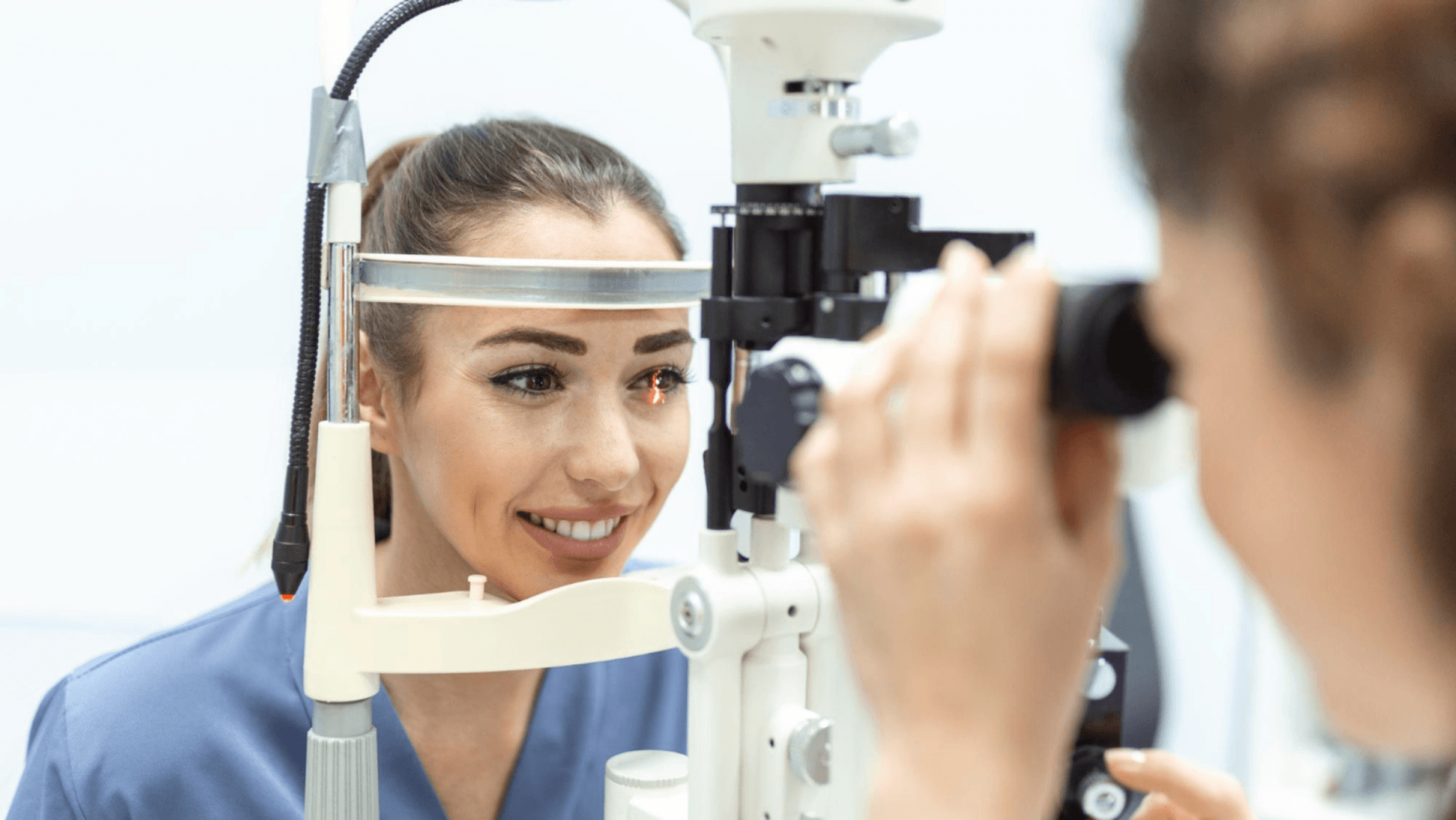
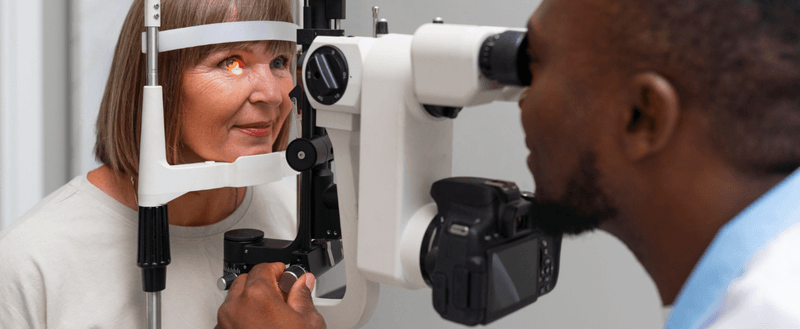
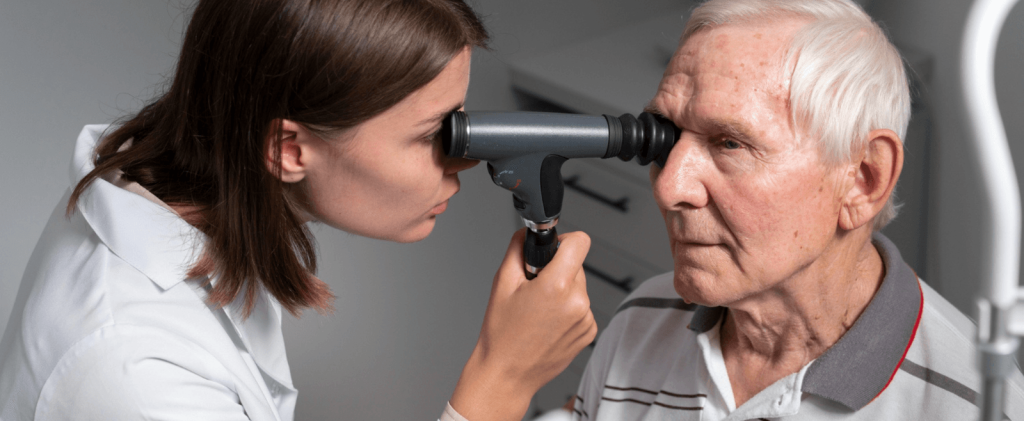
Testing typically includes biometry for lens power calculations, corneal measurements, and additional scans where indicated. A macular OCT may be used to check that the central retina is healthy, and dry eye evaluation is important because surface issues can affect measurements and vision quality.
This is where we get specific. If reading is your main priority, the lens selection may look different compared to someone who cares most about screens or night driving. Your job, hobbies, driving habits, and your tolerance for halos all matter when choosing between a multifocal design and an EDOF design.
Glasses independence is a spectrum. Some people do most days without glasses and still keep a pair for fine print or low light. Others want a plan that prioritises the cleanest night vision possible and accept a bit more reliance on readers. Being honest about what matters most is what leads to better satisfaction.
The surgery steps are similar to other lens procedures, but the planning and fine-tuning can be more detailed with premium optics.

Lens surgery involves removing the natural lens (or exchanging it) and implanting the intraocular lens. The core surgical steps are the same as cataract surgery, with the major difference being the lens design and the visual targets chosen for you.
Vision often improves quickly, but refinement can continue over weeks as the eye heals and the visual system adapts. It is common for vision to fluctuate early, especially with dry eye or if the eyes are healing at different speeds.
Follow-up checks focus on healing, lens position, eye pressure, refraction, and the ocular surface. If something is reducing visual quality, it is often something that can be optimised, such as dryness or residual prescription.
We focus on detailed screening so the lens choice matches your eye health and your visual needs, not just a generic goal of “less glasses.”
We will talk through what you can realistically expect for distance, screens, and near tasks, and we will be upfront about night vision effects so you can choose with confidence.
If you are considering premium lenses as part of cataract surgery or refractive lens exchange, book a consultation via your appointment. Bring your current glasses prescription, a list of your day-to-day visual goals, details about night driving requirements, and your medication list. If you have questions before booking, you can also reach the team through contact us.
Multifocal lenses aim to provide vision at more than one distance, usually distance and near, with intermediate depending on design. EDOF lenses aim to extend the focus range, often giving strong distance and intermediate vision, with near performance varying by lens and person.
Many people use reading glasses less often, but it is common to still need them for fine print, low light, or long reading sessions.
It depends on the severity and type of disease. Advanced glaucoma or significant macular disease can reduce the benefits and increase the chance of dissatisfaction, which is why individual assessment is essential. Learn more about glaucoma and related eye health factors as part of your consultation.
Many people adapt over weeks, and some take a few months. The adjustment experience is individual and depends on the lens type, healing, and visual sensitivity.
The first step is to assess what is driving the issue, such as dryness, residual prescription, or lens alignment. Options may include optimising the ocular surface, refractive enhancement in suitable cases, or lens exchange in selected situations.
Yes, they can be used in both cataract surgery and refractive lens exchange. The surgical steps are similar, but the indication and visual goals can differ.

Loacation: G11-12/566 St Kilda Road, Melbourne VIC 3004
Phone: (03) 9070 0955
Fax: (03) 9978 9426
E-mail: info@cityeyesurgeons.com.au
Copyright © 2025 City Eye Surgeons. All rights reserved. Privacy Policy.