Freedom from glasses starts here.
Presbyopia is the age related loss of near focusing ability. Most people first notice it when small print becomes harder to read, menus feel blurry, or you find yourself holding your phone further away to bring it into focus. It is extremely common, it gradually progresses over time, and the good news is there are plenty of practical ways to manage it based on how you use your vision day to day.
Presbyopia is not an eye disease. It is a normal change in the eye’s focusing system that happens with age, even if you have had perfect vision all your life. The main impact is on near vision and sustained close work.
Inside the eye, the natural lens helps focus at different distances by changing shape. As we get older, that lens becomes less flexible and the focusing system has to work harder to hold clear near vision. Over time, the lens simply cannot adjust as easily, so near tasks like reading and detailed screen work become more challenging.
Presbyopia is an age related near blur that can affect anyone, including people who have never worn glasses. Long sightedness is a refractive error you can have at any age, and it can make near vision more difficult even before presbyopia starts. It is also common for presbyopia to sit on top of long sightedness, which is why near vision can feel like it changes quickly once your 40s arrive. If you want a clearer explanation of long sightedness, see our page on hyperopia.
Most people begin to notice presbyopia in the early to mid 40s. It tends to progress gradually over the next decade or so, then stabilises later, although the pace varies from person to person.
Presbyopia usually shows up in everyday tasks first, especially when you are tired, in dim light, or doing lots of close work.
Small print becomes blurry, and you may find you need to hold reading material further away to see it clearly. Many people notice this with phones, labels, receipts, and menus.
When your eyes are working harder to focus up close, you may get fatigue, tension around the eyes, or headaches, especially after reading or longer screen sessions.
Presbyopia is often more noticeable in dim settings. Brighter light can make reading easier, while low light can make near blur feel much worse.
Presbyopia progresses because the lens continues to stiffen with age. How noticeable it feels depends on your starting point and what other refractive errors you have.
This is the natural progression of the eye’s focusing system. Most people find it gradually increases over several years. The goal of treatment is not to “stop ageing,” but to find a correction approach that fits your lifestyle and keeps day to day tasks comfortable.
If you are short sighted, you might find you can take your glasses off to read at first, even though you still need them for distance. If you are long sighted, presbyopia can feel more frustrating earlier because near focusing is already demanding. Astigmatism can also add blur or distortion across all distances, which can make near tasks feel harder. If you have been told you have astigmatism, our astigmatism page explains how it interacts with focus and visual clarity.
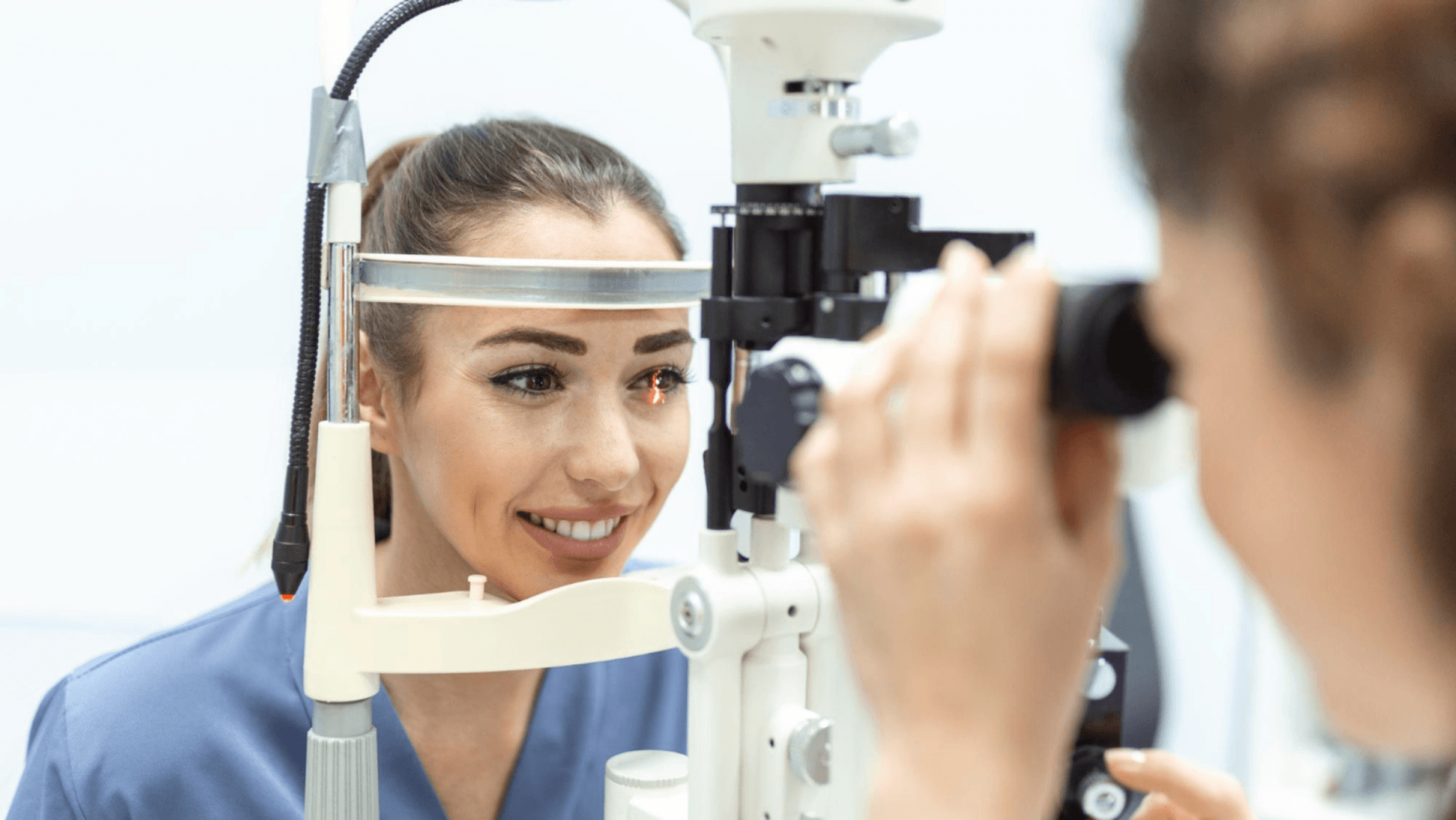
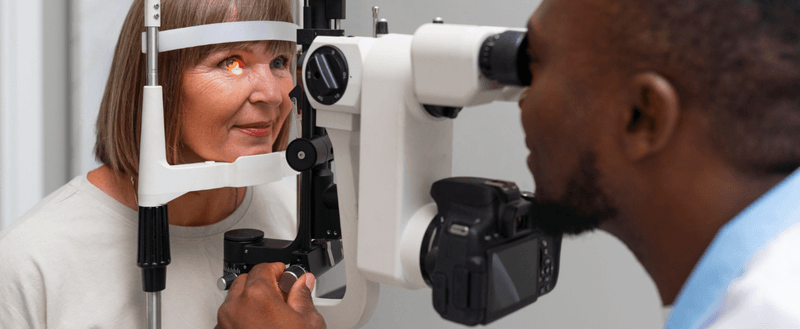
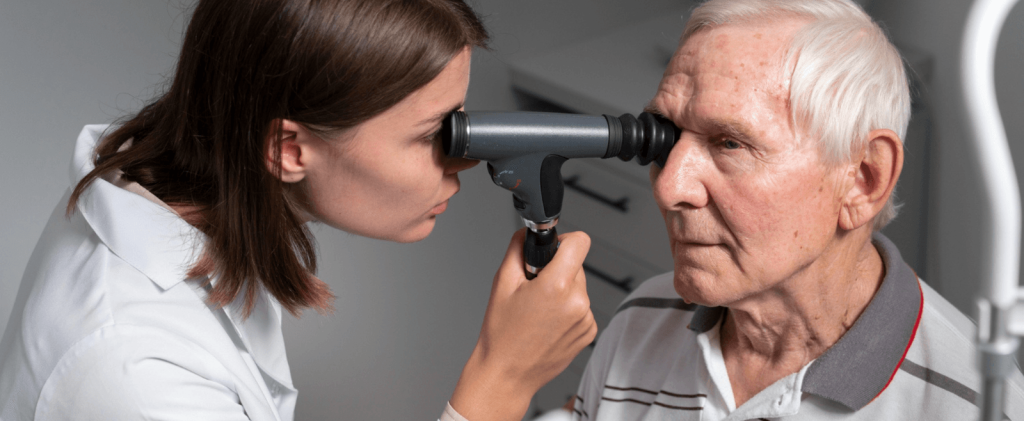
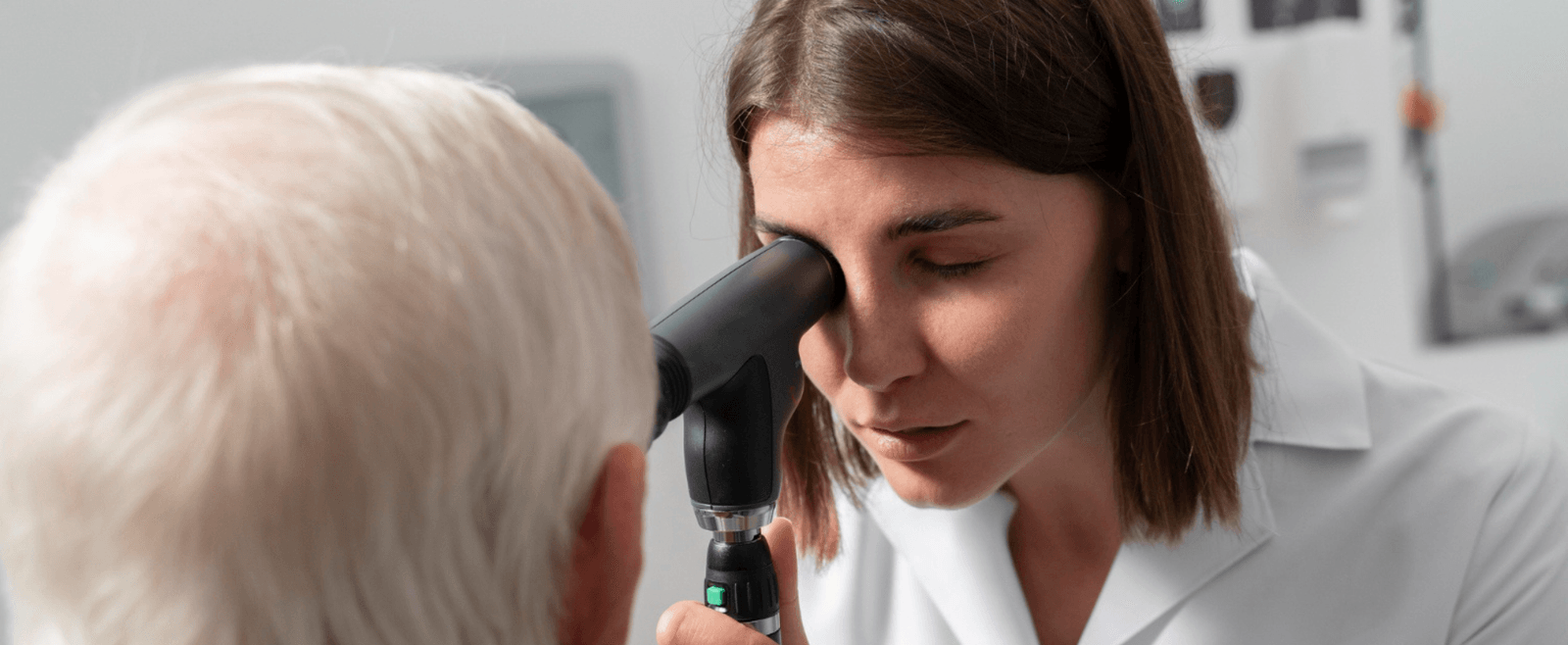
A proper assessment looks at both your prescription and your eye health. That matters because not all near blur is presbyopia.
We test your near vision, assess your distance prescription, and determine what level of near support you need. This helps confirm whether simple reading glasses are enough, or whether multifocal options may suit you better.
We also check for other causes of blurred near vision, such as dry eye, early cataract changes, or retinal issues. For example, cataracts can cause haze and glare as well as blur, and dry eye can fluctuate and make focusing feel inconsistent.
There is no single best option for everyone. The right choice depends on your priorities for reading, screens, driving, hobbies, and how much you want to reduce dependence on glasses.
Reading glasses are simple and effective, especially if you only need help for occasional near tasks. Many people keep a pair for restaurants, quick reading, or short bursts of close work.
If you want one pair that works across more than one distance, multifocal or bifocal glasses can be a strong option. They can reduce the constant on and off of glasses, especially if you move between screens, paperwork, and people throughout the day.
Multifocal contact lenses aim to provide a range of vision while keeping both eyes working together. Another approach is monovision contact lenses, where one eye is set for distance and the other for near. Monovision can work well for some people, but it is not for everyone, which is why a trial is often useful. If you are exploring this approach, see our monovision page for a clear breakdown of what to expect.
Some laser treatments aim to reduce reading glasses dependence by adjusting how each eye focuses or by using presbyopia specific profiles. If you are considering surgical options, your suitability depends on corneal shape, dryness, and your night vision requirements. If this pathway is relevant, we may discuss options within refractive surgery after proper testing.
For some people, lens based procedures may be appropriate, particularly if there are early lens changes or the goal is reducing dependence on glasses for multiple distances. This can include refractive lens exchange, or cataract surgery when cataracts are present, with lens choices planned around your visual goals. Premium lens choices such as multifocal or EDOF lenses can be part of this discussion, and you can learn more on our page about multifocal and EDOF lenses.
The best outcomes happen when treatment matches your real world needs, not just a generic idea of “reading vision.”
Before choosing an option, it helps to be clear on what matters most. Some people prioritise reading without glasses, others care most about screens and work, and many want night driving to feel sharp and comfortable. Your plan should reflect that balance.
Some options require an adaptation period. Multifocal contact lenses and monovision strategies rely on the brain learning how to use the available focus. Many people adapt over days to weeks, but it is normal to notice small compromises early, such as mild blur at certain distances or changes in contrast.
Presbyopia is driven by ageing changes in the lens, so your vision needs can still change over time. Some options reduce dependence on reading glasses for the long term, but no approach can promise you will never need glasses again for fine print, low light, or long reading sessions.
If near vision is starting to feel like work, it is worth getting checked, even if you have not needed glasses before.
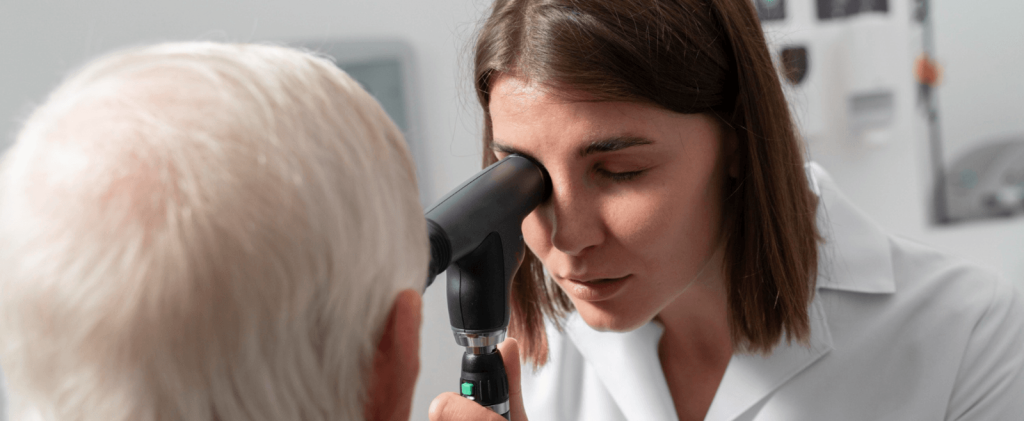
Near blur, headaches, squinting, difficulty reading in dim light, or frequent prescription changes are all good reasons to book an assessment. If you are also noticing glare or haze, it is helpful to rule out early cataract changes at the same time.
If you are thinking about surgical options, suitability testing is essential. It helps confirm whether your eyes are a good match for laser or lens based options and it also gives you a clear understanding of trade offs, including night vision effects, dryness risk, and what reading vision may look like in everyday life
Presbyopia has multiple correction pathways, and the best plan is the one that fits your lifestyle and your eyes.
We can talk through simple options like glasses and contacts, as well as surgical pathways when appropriate, so you are not forced into a one size fits all recommendation.
Your screen time, work setup, hobbies, and night driving habits matter. A good plan aims to make your most important tasks easier, not just improve a vision chart result.
If you are noticing near blur or you are exploring options beyond reading glasses, you can book an appointment via our contact page. Bringing your current prescription, contact lens details if you use them, and a quick note on your work and screen habits can help guide the discussion.
Most people notice it in their early to mid 40s, although it can feel earlier or later depending on your baseline prescription and visual demands.
Presbyopia cannot be cured in the sense of reversing the ageing change in the natural lens. It can be managed very effectively with the right correction option.
The best treatment depends on your priorities for reading, screens, driving, and hobbies, and on your eye health. A consultation helps narrow down what is realistic for you.
Monovision means one eye is set for distance and the other for near or intermediate. It works well for some people and not for others, which is why a contact lens trial is often helpful before committing to a permanent approach.
Laser can sometimes reduce reading glasses dependence using blended vision or presbyopia specific profiles, but suitability varies and trade offs like night vision effects and dryness risk need to be discussed.
For selected patients, yes. It is usually considered when lifestyle goals, prescription, and lens status make it a reasonable option. An assessment is needed to determine whether lens based correction is appropriate for you.

Loacation: G11-12/566 St Kilda Road, Melbourne VIC 3004
Phone: (03) 9070 0955
Fax: (03) 9978 9426
E-mail: info@cityeyesurgeons.com.au
Copyright © 2025 City Eye Surgeons. All rights reserved. Privacy Policy.